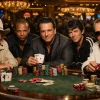
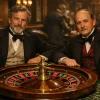
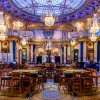
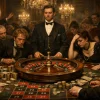
In postwar London, the smoky back‑rooms of Soho and the West End became the city’s hidden gambling heart. Between the 1940s and 1950s, these illicit casinos thrived amid rationing, jazz, and crime. Their story reveals how underground gaming shaped London’s nightlife and led to Britain’s modern casino culture.
Gods of GamblingLegendary figures who made millions
Back‑Room Casinos in Postwar London


The devastation of World War II left London craving distraction. Amid bombed streets and austerity, entertainment flourished underground. Soho and the West End, already known for nightlife, music halls, and cabaret, became fertile ground for gambling dens disguised as private clubs. These “back‑room casinos” were often tucked behind cafés, tobacconists, or basement bars, accessible only to trusted patrons.
The Gaming Act of 1845 still made gambling houses illegal, but enforcement was sporadic. Police raids were rare, and many operators paid protection money to local gangs or corrupt officials. The result was a thriving subculture of clandestine gaming, where roulette wheels spun under dim lights and card tables buzzed with whispered bets.
Back-room casinos were not glamorous. Most were cramped, smoky rooms with mismatched furniture, cheap whisky, and improvised décor. Yet they attracted a fascinating mix of clientele: soldiers home from war, aristocrats seeking thrills, and criminals looking to launder money. The postwar years blurred class boundaries, and gambling became a shared language of risk and escape.
The Operators and Patrons of Back-Room Casinos
Behind the scenes, Soho’s back‑room casinos were run by colourful figures, part entrepreneur, part outlaw. Many were Jewish and Italian immigrants, veterans of London’s black market during wartime rationing. They understood discretion and profit. Some had connections to the Sabini gang, which dominated racecourse betting in the interwar years, while others were independent hustlers who saw opportunity in the chaos of postwar reconstruction.
Patrons ranged from film stars and jazz musicians to dockworkers and petty thieves. The West End’s proximity to theatres meant actors and producers often joined late‑night games after curtain call. Soho’s bohemian reputation drew artists and writers, who found inspiration in the smoky tension of the tables. Gambling was both vice and art form, a performance of luck and bravado.
Women were rare but not absent from back-room casinos. Some worked as hostesses or blackjack dealers, others as daring players. Their presence added glamour and intrigue, challenging the male‑dominated world of underground gaming.
Legality and Law Enforcement
Legally, back-room casinos existed in a twilight zone. The Betting and Lotteries Act 1934 and the Gaming Act 1845 prohibited public gaming houses, but private clubs could operate if they claimed games were for “entertainment” rather than profit. Operators exploited this loophole by charging membership fees or selling drinks instead of taking a house cut.
Police raids did occur, especially when rival operators tipped off authorities. However, convictions were difficult to secure. Patrons often claimed they were guests at a private party, and evidence of gambling profits was easily concealed. Magistrates frequently dismissed cases for lack of proof.
By the late 1950s, public concern grew over the criminal influence of illegal gambling gangs. Newspapers exposed Soho’s dens as breeding grounds for corruption. These scandals paved the way for reform, culminating in the Betting and Gaming Act 1960, which legalised casinos under licence, effectively ending the back‑room era.
Atmosphere and Culture in Gambling Dens
The atmosphere of these secret back-room casinos was electric. Cigarette smoke hung thick, jazz records played softly, and the clink of coins punctuated every hand. Dealers worked fast, often ex‑servicemen with steady nerves. Drinks flowed freely, and bets ranged from shillings to fortunes.
Soho’s cosmopolitan character made these rooms melting pots of postwar London. You could find a Polish refugee playing beside a Fleet Street journalist, or a gangster sharing whisky with a minor aristocrat. The games were intense but social, a temporary escape from ration books and bomb scars.
The West End’s back‑rooms were slightly more refined. Hidden behind gentlemen’s clubs or hotel lounges, they catered to wealthier clientele. These venues often featured roulette and baccarat, echoing continental elegance but retaining the thrill of illegality.
Decline and Legacy of Back-Room Casinos
By the late 1950s, the glamour faded. Police pressure increased, and legitimate entertainment options expanded. Television, dance halls, and licensed betting shops drew crowds away from the underground. When the 1960 Act legalised casinos, many former operators sought licences and went legitimate, founding venues like the Clermont Club and Crockfords.
Yet the legacy of the back‑room casinos endures. They shaped London’s reputation as a city of risk and sophistication. Their influence can be seen in modern casino design, intimate, exclusive, and atmospheric. They also inspired countless films and novels depicting the smoky allure of postwar Soho.
Cultural Impact of Illegal Gambling Dens
The myth of the Soho gambler became part of British folklore. Journalists romanticised the “gentleman crook,” while filmmakers used the setting to explore themes of temptation and morality. The image of a dimly lit room, a spinning wheel, and a desperate player remains iconic, symbolising both freedom and downfall.
Artists and photographers captured the mood of the era. The contrast between glamour and grit reflected Britain’s postwar identity: a nation rebuilding yet yearning for excitement. Even today, vintage posters and photographs of Soho’s nightlife evoke nostalgia for that dangerous elegance.
Conclusion
The back‑room casinos of Soho and the West End were more than illegal dens; they were cultural microcosms of postwar Britain. They reflected a society balancing between hardship and indulgence, law and liberty. Though long gone, their spirit survives in London’s nightlife, a reminder that risk and reward have always defined the city’s pulse.
FAQs About Back‑Room Casinos in Post-War London
❓ Were back‑room casinos legal in 1950s London? No. They operated under loopholes claiming private membership, but technically violated gambling laws until the 1960 Act legalised licensed casinos.
❓ Who ran these underground casinos? Mostly small‑time entrepreneurs, ex‑gangsters, and immigrants with connections to London’s black market or racing syndicates.
❓ What games were played? Roulette, baccarat, pontoon, and poker were common. Some venues also offered dice games and informal betting.
❓ Why were they popular after World War II? Postwar austerity created demand for escapism. Gambling offered thrill, social connection, and a sense of control amid uncertainty.
❓ What replaced them after 1960? Legal casinos and private clubs emerged, transforming gambling into a regulated, glamorous industry, ending the underground era.


New Casinos

100% up to £50 + 25 free spins

100 spins plus up to £200 bonus

100 spins plus up to £200 bonus

100% match bonus up to £100

Win up to 500 free spins on Starburst

Double deposit bonus up to £350