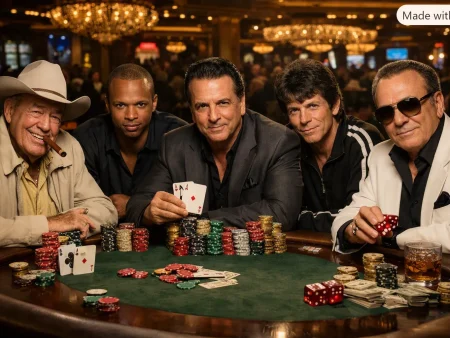
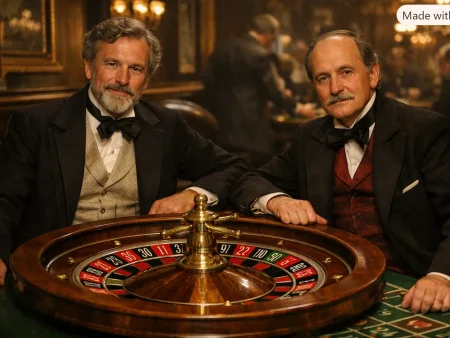
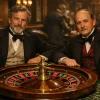
This essay explores the fictional life story of Mo Greene, a character from Mario Puzo’s The Godfather. Although Greene never existed in real life, his rise, influence, and violent downfall form a crucial part of the film’s mythology surrounding Las Vegas, organized crime, and the evolution of American gambling entertainment.

The (Fictional) Architect of Las Vegas Expansion
Mo Greene’s character arc in The Godfather positions him as one of the most influential figures in the transformation of Las Vegas from a dusty desert outpost into a glittering empire of gambling, entertainment, and organized crime. Born Morris Greenberg in Brooklyn in the early 1920s, Greene is portrayed as a street‑smart hustler who quickly learns how to turn opportunity into power. His early years are marked by small‑time rackets, boxing promotions, and a keen understanding of how to manipulate both crowds and criminals.
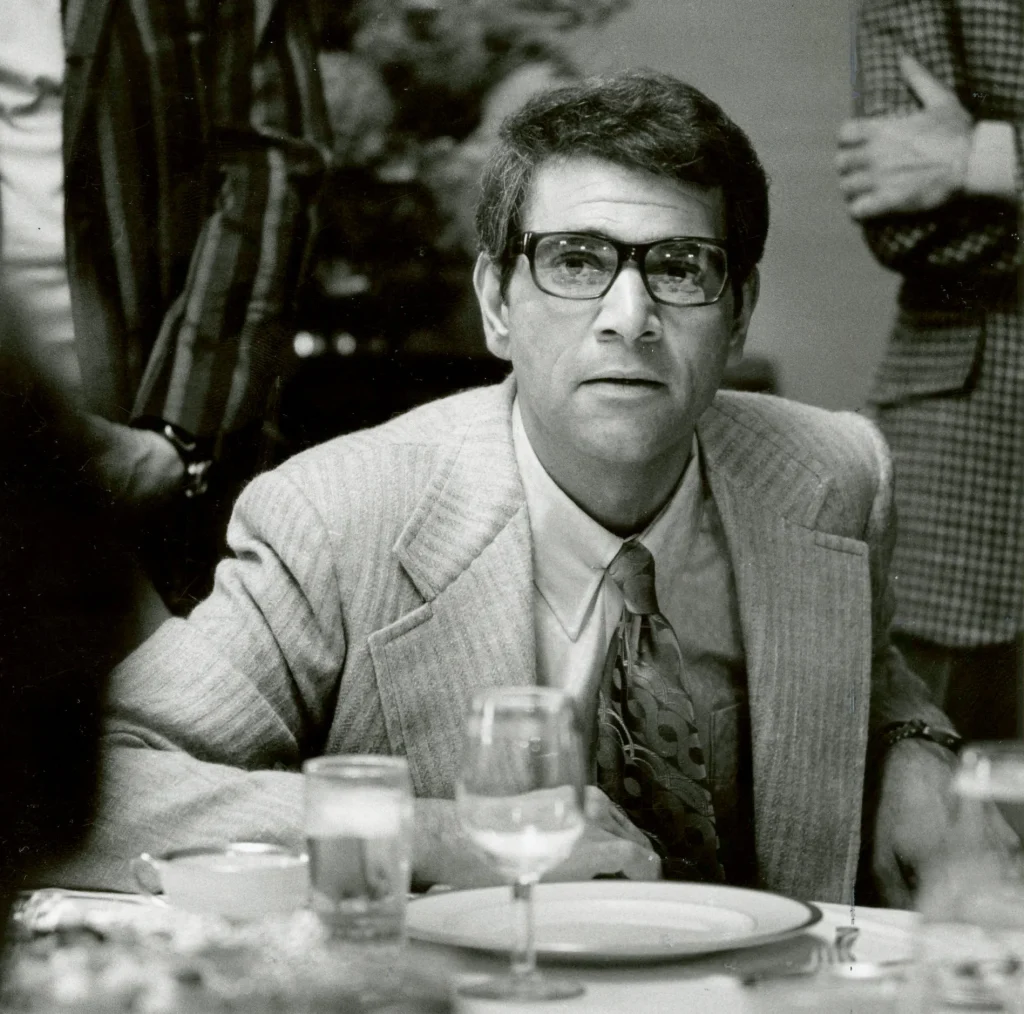
Image source: New York Times
By the late 1940s, Greene is depicted as one of the first men to recognize the potential of Nevada’s relaxed gambling laws. He travels west, bringing with him financial backing from powerful East Coast crime families. In the fictional universe of The Godfather, Greene becomes a pioneer of casino development, blending legitimate business with illicit funding. His vision is simple: build resorts that attract tourists, celebrities, and high‑rollers, while ensuring the mob receives a steady stream of skimmed profits.
Greene’s empire grows rapidly. He is credited with introducing luxury entertainment, high‑stakes gaming rooms, and the kind of flashy marketing that would later define the Las Vegas Strip. His casinos become symbols of wealth and danger, places where Hollywood stars mingle with mob enforcers, and where Greene himself rules with a volatile mix of charm, arrogance, and brutality.
Moe Greene’s Role in Organized Crime
In Puzo’s fictional world, the success of the Moe Greene casino attracts the attention of America’s most powerful organized crime syndicates. His casinos provide a perfect mechanism for laundering money, hiding profits, and expanding influence across state lines. Greene becomes a bridge between traditional East Coast families and the emerging opportunities of the West.
Greene’s relationship with the Corleone family is central to his story. Initially, he works closely with Hyman Roth, who views Greene as a protégé. Roth’s admiration for Greene’s business acumen is matched only by his frustration at Greene’s reckless temper. Greene’s refusal to show respect to Michael Corleone, especially after the death of Vito Corleone, sets the stage for his downfall.
Greene’s arrogance blinds him to the shifting power dynamics. He believes Las Vegas belongs to him alone, ignoring the reality that mob investments come with obligations. His refusal to sell his casino interests to Michael Corleone becomes a fatal mistake.
Moe Greene’s Impact on The Godfather and the Repercussions of His Death
Mo Greene’s presence in The Godfather is brief but pivotal. He represents the new frontier of organized crime in Nevada, where traditional family loyalties collide with corporate ambition and the glitter of Las Vegas. Greene’s loud personality, disrespect toward Michael, and mistreatment of employees, including the infamous scene where he slaps Fredo Corleone, highlight his reckless disregard for hierarchy.
The Moe Greene death scene, shot through the eye while receiving a massage, is one of the film’s most iconic moments. It symbolizes the ruthless efficiency of Michael Corleone’s rise to power. Greene’s death is part of the “settling of accounts” sequence, where Michael eliminates all threats to the Corleone empire.
The repercussions of Mo Greene death ripple through the narrative:
- Michael gains full control of Las Vegas interests, strengthening the family’s financial foundation.
- Hyman Roth becomes an adversary, blaming Michael for killing his protégé.
- Fredo’s loyalty fractures, setting up the emotional conflict of The Godfather Part II.
- Las Vegas becomes a battleground, reflecting the broader shift from traditional mob operations to corporate‑style criminal enterprises.
Greene’s death is not just a plot point, it is a turning moment that reshapes alliances, escalates tensions, and deepens the film’s exploration of power, betrayal, and legacy.
Moe Greene’s Place in Las Vegas Gambling History
Although fictional, the Moe Greene real life character embodies the origins of Las Vegas gambling history. His legacy within the film’s universe is defined by:
- Innovation: He modernizes casino operations, blending entertainment with gambling.
- Expansion: He attracts investors, celebrities, and tourists, accelerating the city’s growth.
- Conflict: His volatile personality creates friction with powerful crime families.
- Symbolism: Greene represents the dangers of unchecked ambition in a world ruled by loyalty and violence.
Through Moe Greene, The Godfather illustrates how Las Vegas became a magnet for both glamour and corruption. His story blends fact and fiction, drawing inspiration from real‑world mob figures while remaining firmly rooted in cinematic mythology.
Conclusion
Moe Greene’s fictional life and death in The Godfather serve as a compelling lens through which to view the rise of Las Vegas as a gambling powerhouse. His ambition, innovation, and arrogance shape the city’s early development while simultaneously sealing his fate.
Greene’s murder marks a turning point in the Corleone family’s expansion and underscores the brutal realities of organized crime in Nevada. Though entirely fictional, his character captures the essence of a transformative era in American entertainment history, blending myth, crime, and ambition into one unforgettable narrative that continues to resonate with audiences.
Frequently Asked Questions
❓ Who is Moe Greene in The Godfather?
Moe Greene is a fictional casino developer and mob associate who helps build Las Vegas.
❓ Is Moe Greene based on a real person?
He is loosely inspired by real mob‑connected casino figures, possibly Bugsy Siegal, but remains entirely fictional. his name was created by Mario Puzo by combining the names of Moe Sedway and Gus Greenbaum.
❓ Why does Michael Corleone kill Moe Greene?
Moe Greene refuses to sell his casino interests and disrespects the Corleone family.
❓ What does Moe Greene represent in the film?
He symbolizes ambition, expansion, and the dangers of challenging mob hierarchy.
❓ How does the Moe Greene death scene affect the story?
It triggers major conflicts, strengthens Michael’s power, and shifts Las Vegas control.
Reference List:
- Puzo, M. (1969). The Godfather. G. P. Putnam’s Sons.
- Coppola, F. F. (Director). (1972). The Godfather [Film].
- Paramount Pictures. IMDb. (n.d.). The Godfather (1972). https://www.imdb.com/title/tt0068646/
- Nash, J. R. (1995). World Encyclopedia of Organized Crime. Da Capo Press.
- Roemer, W. F. (1994). The Enforcer: Spilotro, The Chicago Mob’s Man Over Las Vegas. D.I. Fine.