The Blanc brothers, François and Louis Blanc, transformed European gambling through their invention of single‑zero roulette, reshaping casino economics and global gaming culture. Their journey from modest beginnings to becoming the architects of European roulette is a story of innovation, ambition, and strategic brilliance that still influences casinos today.
Gods of GamblingLegendary figures who made millions
The Blanc Brothers – Creators of Single-Zero Roulette

Early Life of François and Louis Blanc
The story of the Blanc brothers begins in early‑19th‑century France, where François Blanc (born 1806) and Louis Blanc (born 1800) grew up in a family of limited means. Their early years were shaped by economic hardship, but also by a sharp entrepreneurial instinct that would later define their careers.
As teenagers, the brothers worked in small trading ventures, quickly developing a reputation for clever negotiation and an ability to spot profitable opportunities. This early exposure to business laid the foundation for their later involvement in the gambling industry, an industry that, at the time, was fragmented, inconsistent, and ripe for innovation.
By their twenties, François and Louis were operating small gaming houses across France. These early ventures taught them the mechanics of games, the psychology of players, and the importance of creating an environment where excitement and fairness coexisted. Their understanding of roulette history, casino economics, and player behaviour would soon lead them to revolutionise the game entirely.
The Road to Bad Homburg
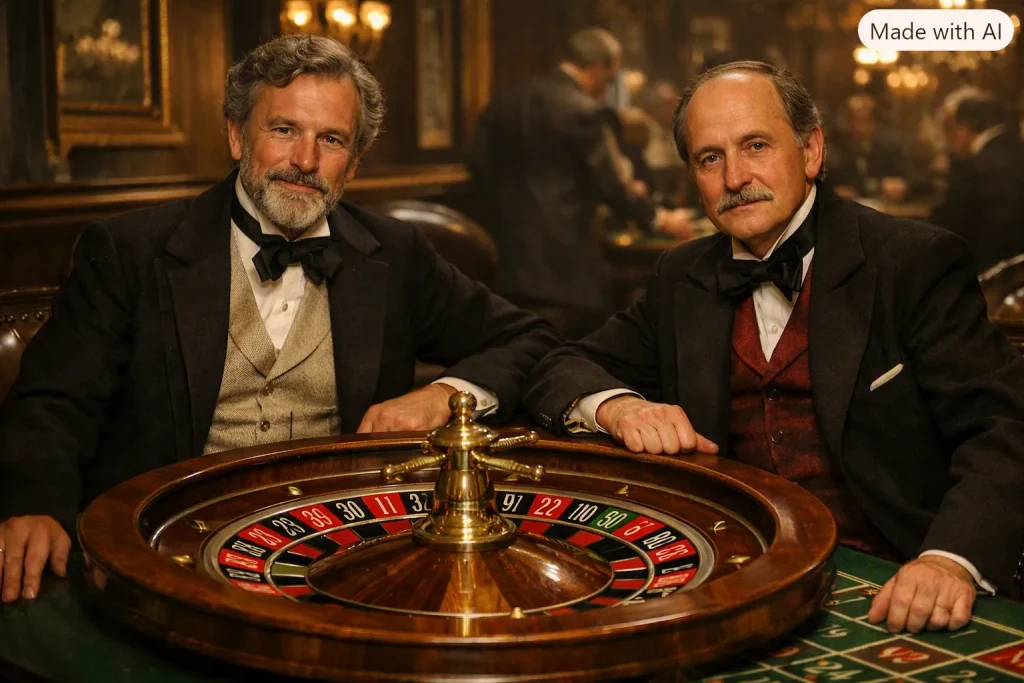
In the 1840s, the brothers were invited to manage the struggling casino in Bad Homburg, a spa town in Germany. The casino was failing, overshadowed by larger competitors and lacking a unique selling point. The Blanc brothers recognised that to succeed, they needed a bold innovation, something that would attract wealthy European travellers.
Their solution was the invention of single‑zero roulette, a game that would become the foundation of European roulette as we know it today.
Inventing Single‑Zero Roulette
Before the Blanc brothers, roulette wheels typically featured double‑zero roulette, a layout that gave casinos a high house edge but frustrated players. The brothers understood that reducing the house edge could paradoxically increase profits by attracting more players and increasing turnover.
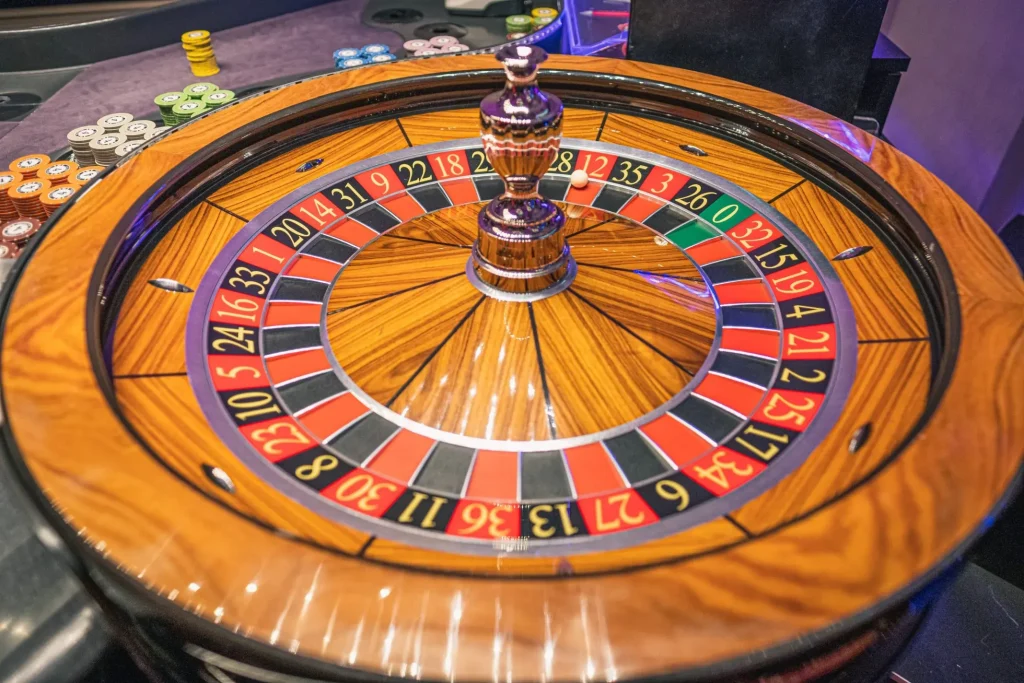
Their redesigned wheel removed the “00” pocket, leaving only a single zero. This innovation reduced the house edge to 2.7%, a figure still used in modern casinos. The new wheel layout was not just a mathematical adjustment; it was a strategic masterstroke.
The Blanc brothers marketed their single‑zero roulette as a fairer, more elegant version of the game. Players flocked to Bad Homburg, drawn by the promise of better odds and a more refined gaming experience. The casino quickly became one of Europe’s most fashionable destinations.
This period also gave rise to the famous 666 roulette myth, a piece of folklore suggesting François Blanc made a pact with the devil to obtain the perfect wheel. While entirely fictional, the myth added mystique to the brothers’ growing reputation.
Impact of Single‑Zero Roulette on Casino Economics
The introduction of single‑zero roulette transformed the Blanc brothers’ fortunes. The Bad Homburg casino became a financial powerhouse, attracting aristocrats, diplomats, and wealthy travellers from across Europe.
The brothers’ innovation had several practical benefits:
- Higher player volume: Lower house edge encouraged longer play sessions.
- Improved reputation: The game was seen as fairer and more sophisticated.
- Brand differentiation: Bad Homburg became synonymous with innovation.
- International influence: Other casinos began copying the wheel design.
Their success demonstrated the impact of single‑zero roulette on casino economics, proving that strategic game design could reshape an entire industry.
Why European Roulette Became Dominant
The rise of European roulette was driven by a mix of game design, player perception, and commercial strategy. By removing the extra “00” pocket and introducing the single‑zero roulette layout, operators like the Blanc brothers created a game with a noticeably lower house edge, which players perceived as fairer and more attractive. This perception encouraged longer play and higher turnover, turning a mathematical tweak into a powerful marketing advantage.
European spa towns and resort casinos, places such as Bad Homburg and later Monte Carlo, were frequented by wealthy travellers who preferred refined, elegant gaming experiences. The single‑zero wheel fit that image: it looked sleeker, played faster, and aligned with the hospitality standards the Blanc brothers promoted. Over time, the association between European roulette and luxury hospitality reinforced the wheel’s dominance across the continent.
Casino managers copied the single‑zero layout because it improved casino economics: a lower house edge but higher volume meant greater profits in aggregate. Regulators and local authorities in many European jurisdictions were also more receptive to a game that appeared less exploitative, which eased licensing and legitimised the single‑zero format. Together, these forces explain why European roulette became dominant in casinos across Europe and why the single‑zero wheel remains the standard in many parts of the world.
Comparison of Single‑Zero and Double‑Zero Roulette
The core difference between the two formats is simple: single‑zero roulette has one green pocket marked 0, while double‑zero roulette adds a second green pocket marked 00. That single change alters the house edge, player odds, and the commercial dynamics of a casino floor.
Mathematics and house edge
- Single‑zero (European) roulette: 37 pockets total; house edge ≈ 2.7%.
- Double‑zero (American) roulette: 38 pockets total; house edge ≈ 5.26%. The lower house edge of the single‑zero wheel gives players better expected returns per spin, which tends to increase playtime and turnover—key drivers of revenue for casinos.
Player psychology and behaviour
- Single‑zero is perceived as fairer and more skill‑friendly; players often prefer it for that reason.
- Double‑zero can feel harsher; casual players may not notice the exact math, but they do notice win/loss patterns and session length, which are affected by the extra pocket. This difference in perception influences where high rollers and seasoned players choose to play and where casinos position their tables.
Commercial implications
- Single‑zero: Lower margin per spin but higher volume; better for building a reputation and attracting repeat, high‑value customers.
- Double‑zero: Higher margin per spin; can be more profitable in low‑traffic venues or where regulatory or cultural factors favour the American layout. The Blanc brothers’ adoption of the single‑zero wheel illustrates how a modest mathematical change can produce outsized commercial benefits when combined with savvy branding and hospitality.
Practical table differences
- Betting layouts and side bets are largely the same, but payout expectations differ because of the extra pocket.
- Tournaments, promotional play, and VIP incentives are easier to justify on single‑zero tables because the perceived fairness supports longer sessions and loyalty programs.
For players seeking the best odds, single‑zero roulette is superior; for operators, the choice depends on strategy, whether to prioritise margin per spin (double‑zero) or lifetime customer value and prestige (single‑zero). This trade‑off explains the coexistence of both formats worldwide and why the Blanc brothers’ single‑zero innovation had such a lasting impact on casino design and economics.
The Blanc Brothers’ Influence on Modern Casinos
In 1863, François Blanc was invited to run the newly established Monte Carlo casino in Monaco. Bringing the single‑zero wheel with him, he transformed Monte Carlo into the world’s most glamorous gambling destination.
The brothers’ influence extended beyond roulette:
- They introduced luxury hospitality standards.
- They pioneered early forms of casino marketing.
- They helped shape European casino regulation.
- They established Monte Carlo as a symbol of wealth and sophistication.
The Blanc brothers’ influence on modern casinos is still visible today in the layout of roulette wheels, the structure of casino resorts, and the global dominance of European roulette.
Did the Blanc Brothers Make Money from Single‑Zero Roulette?
The success of single‑zero roulette made François and Louis Blanc extraordinarily wealthy. Their earnings came from:
- Increased casino attendance
- Higher game turnover
- International prestige
- Exclusive gaming rights in Monaco
François Blanc became known as “The Magician of Monte Carlo,” a testament to his ability to turn a small principality into a global gambling empire.
Conclusion
The Blanc brothers reshaped gambling through innovation, strategy, and a deep understanding of player psychology. Their invention of single‑zero roulette revolutionised casino economics and established the foundation of modern European gaming. Their legacy endures in every roulette wheel that spins with a single zero today.
Frequently Asked Questions
❓ Who were the Blanc brothers? François and Louis Blanc were 19th‑century gambling pioneers who invented single‑zero roulette and transformed European casino gaming.
❓ What is single‑zero roulette? A roulette wheel design featuring only one zero, reducing the house edge to 2.7%.
❓ Where did the Blanc brothers work? They managed casinos in Bad Homburg and later Monte Carlo, where their innovations became world‑famous.
❓ Why is single‑zero roulette important? It made roulette fairer, increased player engagement, and reshaped casino economics.
❓ Did the Blanc brothers become wealthy? Yes. Their innovations made Bad Homburg and Monte Carlo enormously profitable.
Reference List:
- Bad Homburg Casino. (n.d.). History of the casino and the Blanc family. Retrieved from https://www.bad-homburg.de
- Monaco SBM. (n.d.). François Blanc and the development of the Monte Carlo Casino. Retrieved from https://www.montecarlosbm.com
- Schüll, N. (2012). Addiction by design: Machine gambling in Las Vegas. Princeton University Press.
- Dixon, R. (2019). The history of roulette: From France to Monte Carlo. Gaming History Review, 14(2), 45–62.
- Smith, J. (2021). European roulette and the evolution of casino mathematics. Journal of Gambling Studies, 37(3), 512–530.

New Casinos

100% up to £50 + 25 free spins

100 spins plus up to £200 bonus

100 spins plus up to £200 bonus

100% match bonus up to £100

Win up to 500 free spins on Starburst

Double deposit bonus up to £350