The meaning of casino has evolved dramatically over four centuries. Originating in Italy as a simple “house” for social gatherings, the casino concept transformed into a global gambling institution. This essay explores the origin of the word casino, its spread from Venice to Monte Carlo and Las Vegas, and its cultural impact.
Gods of GamblingLegendary figures who made millions
What Is The Meaning Of The Word Casino?

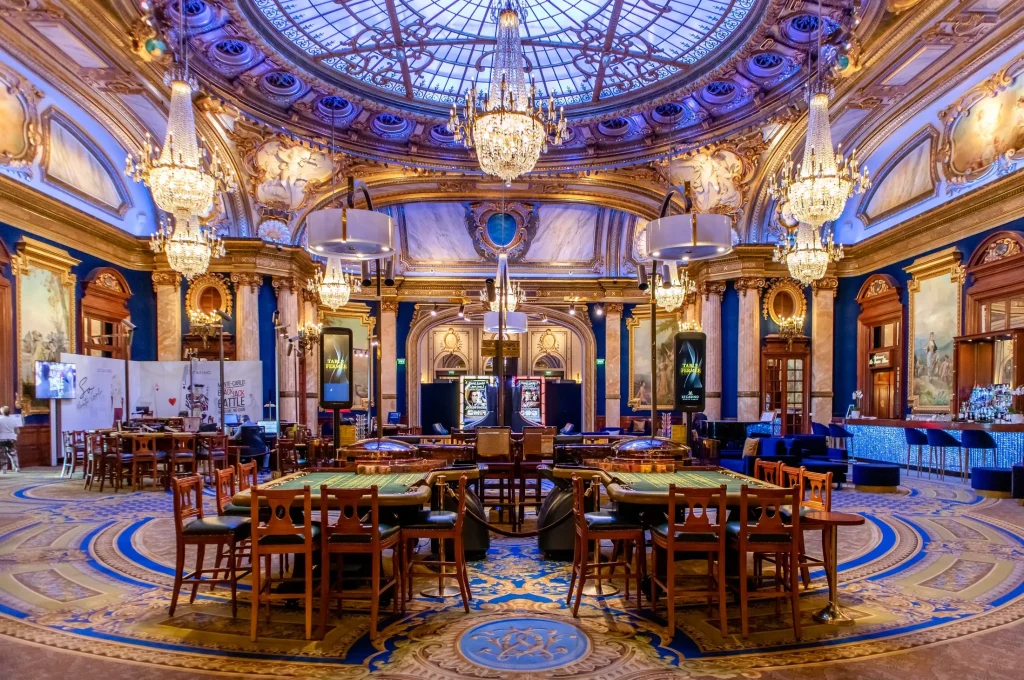
Image source: Humbo.com
What Is the Meaning of Casino?
The meaning of casino, or casino etymology, is rooted in the Italian word casa, meaning “house.” Historically, a casino referred to a small villa or social club used for leisure, music, dancing, and early forms of gaming. Over time, the term expanded to describe public entertainment buildings and eventually dedicated gambling venues.
By the 19th century, the meaning of casino shifted further, encompassing luxurious establishments designed for pleasurable activities, including gambling, socialising, and cultural events. This semantic evolution laid the foundation for the modern casino industry.
The Origin of the Word Casino
The origin of the word casino is firmly tied to Italy. Derived from casa, the diminutive casino originally meant “little house.” These small villas were used by aristocrats for private entertainment. During the 19th century, the term broadened to include public leisure buildings attached to larger villas or palazzos. This linguistic shift coincided with the rise of regulated gambling spaces, setting the stage for the first true casino.
Venice: Birthplace of the Modern Casino
The world’s first government‑sanctioned gambling house, the Ridotto, opened in Venice in 1638. Its purpose was to regulate gambling during carnival season and provide a controlled environment for aristocratic players.

Image source: Architectural Digest
The Ridotto offered early card games such as basetta and biribi, precursors to modern casino games. Admission required formal dress, and the venue operated with strict rules to maintain order and ensure the house advantage. Although it closed in 1774, the meaning of the gaming establishment it introduced, structured, regulated gambling, became a permanent part of European culture.
Monte Carlo: Reinventing the Casino as Luxury
In the 19th century, Monte Carlo transformed the meaning of casino from a regulated gambling house to a glamorous cultural institution. The Casino de Monte‑Carlo opened in 1863 under Prince Charles III of Monaco, designed by Charles Garnier, architect of the Paris Opera.

Image source: Monaco Tribune
Monte Carlo pioneered the luxury casino model with its opulent architecture, strict dress codes, international aristocratic clientele, and refined games of chance. Monte Carlo’s success demonstrated how the meaning of casino could evolve into a symbol of sophistication, wealth, and cultural prestige.
The Blanc brothers, pioneers of single‑zero roulette, relocated their operations to Monte Carlo after Germany banned gambling in 1872. Their innovations helped cement Monte Carlo as Europe’s premier gambling destination for over 50 years.
Las Vegas: The American Casino Revolution
While Europe refined casino luxury, the United States reinvented the concept entirely. Nevada legalized gambling in 1931, making Las Vegas, then a small desert town, the only legal gambling jurisdiction in the country.
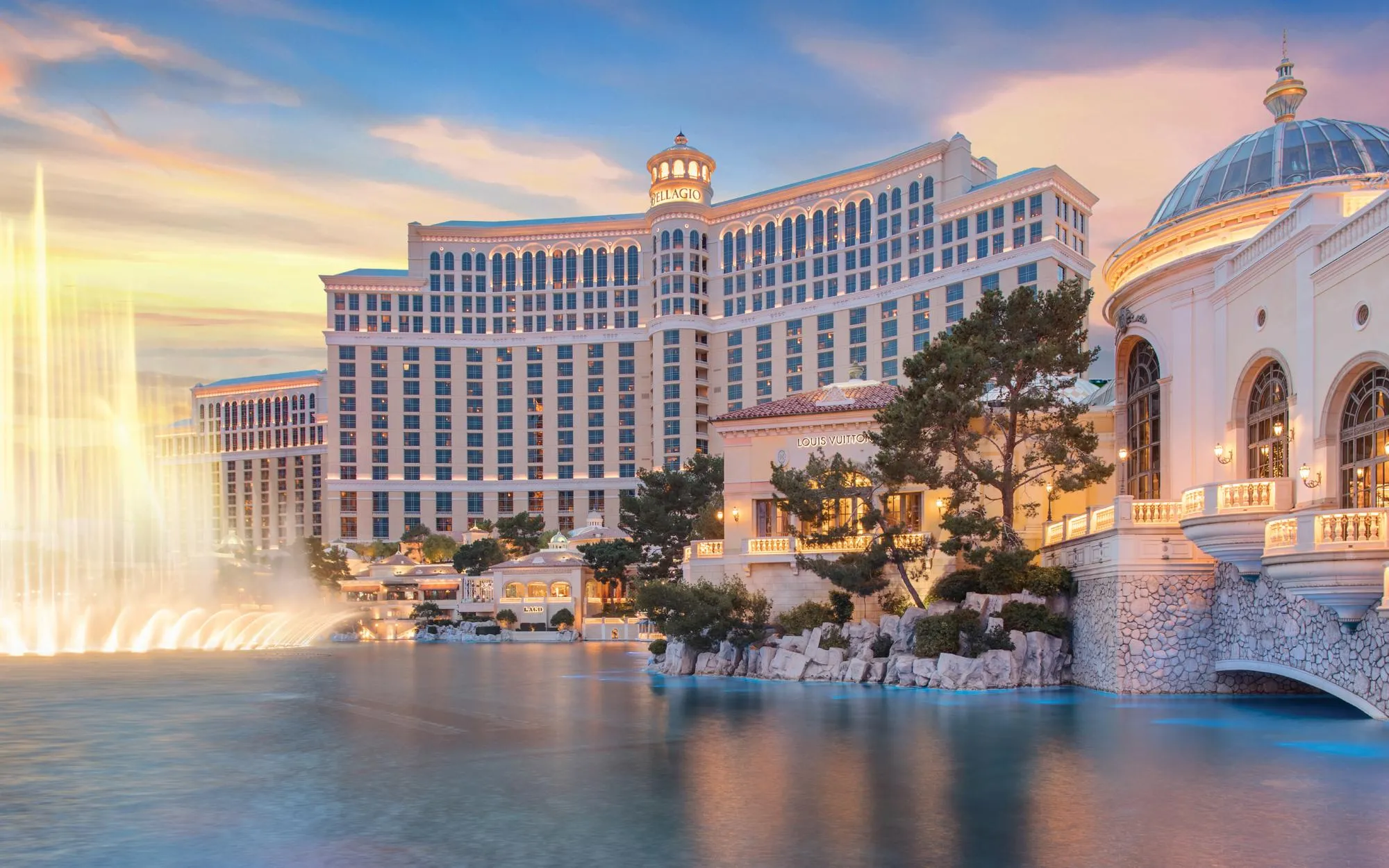
Image source: MGM Resorts
Las Vegas casinos grew rapidly, fuelled by organised crime investment in early venues (e.g., Bugsy Siegel’s Flamingo Hotel), post‑war tourism, and a series of themed resorts combining gambling, entertainment, and hospitality
By the late 20th century, Las Vegas had become a global gambling powerhouse, synonymous with spectacle, neon lights, and high‑stakes gambling. The meaning of casino in Las Vegas expanded beyond gambling to include entertainment, dining, shopping, and resort experiences, an evolution that shaped the modern casino industry worldwide.
How the Casino Concept Spread from Italy to Monte Carlo and Las Vegas
The meaning of casino begins in Italy, where the word casino, a diminutive of casa, meaning “house”, first described intimate villas used for music, dancing, and early games of chance. In 1638, Venice took this leisurely idea and formalised it, opening the Ridotto, the world’s first regulated gambling house. Behind its masked carnival crowds and candlelit card tables, the Ridotto quietly established the blueprint for what a gaming establishment could be: structured, supervised, and irresistibly social. Even after it closed in 1774, the concept lingered in Europe’s imagination.
As the centuries turned, the casino idea travelled north along trade routes and aristocratic gossip, eventually reaching the small principality of Monaco. Here, in the mid‑19th century, the casino concept was reborn. Monte Carlo did not simply adopt the Italian model; it transformed it. The Casino de Monte‑Carlo rose like a palace above the Mediterranean, its marble halls and chandeliers redefining the meaning of casino as luxury, elegance, and high society. European nobility flocked to its single‑zero roulette tables, introduced by the Blanc brothers, whose innovations made Monte Carlo the beating heart of continental gambling. In this glamorous enclave, the casino became more than a gambling house; it became a symbol of prestige.
Across the Atlantic, a very different story was unfolding. In the early 20th century, Las Vegas was little more than a dusty railroad stop in the Nevada desert. But when the state legalized gambling in 1931, the American imagination seized the casino concept with both hands. Entrepreneurs, entertainers, and, initially, organised crime investors poured into the city, building neon‑lit venues that blended gambling with spectacle. The Flamingo, the Sands, and later the Mirage and Bellagio transformed the meaning of casino once again, this time into a sprawling entertainment ecosystem. Las Vegas casinos became places where gambling was only part of the experience, alongside live shows, themed resorts, celebrity restaurants, and endless nightlife.
From the intimate villas of Italy to the opulent salons of Monte Carlo and the dazzling mega‑resorts of Las Vegas, the casino concept evolved with each culture it touched. What began as a “little house” for social amusement became a global phenomenon, shaped by history, economics, and human fascination with chance.
Conclusion
The meaning of casino has undergone a remarkable transformation. Originating from the Italian casa, the term evolved from small social villas to regulated gambling houses in Venice, luxurious palaces in Monte Carlo, and entertainment mega‑resorts in Las Vegas. Each era reshaped the casino meaning, reflecting cultural, economic, and technological changes. From aristocratic card rooms to neon‑lit gaming floors, the casino concept has continually adapted while retaining its core identity as a place of organised gambling and social pleasure. Understanding the origin of the word casino reveals how deeply intertwined casinos are with human leisure and history.
Frequently Asked Questions
❓ What is the meaning of casino? The meaning of casino comes from the Italian word casa, meaning “house,” originally referring to small villas used for leisure and later evolving into gambling venues.
❓ Where did the first casino originate? The first government‑sanctioned casino, the Ridotto, opened in Venice in 1638 to regulate gambling during carnival season.
❓ Why is Monte Carlo famous for casinos? Monte Carlo became a luxury gambling hub in the 19th century, offering opulent architecture, elite clientele, and innovative games like single‑zero roulette.
❓ How did Las Vegas become a casino capital? Las Vegas rose to prominence after Nevada legalized gambling in 1931, attracting investment and evolving into a global entertainment destination.
❓ What is the origin of casino? Casino originates from the Italian casa, meaning “house,” later used to describe leisure villas and eventually gambling establishments.
Reference List
- Xivvo Games & Betting. (2026). History of Casinos: From Monte-Carlo to Las Vegas and the Digital Era.
- Megalithic Portal. (2026). A Brief History of Casinos: From Venice to Vegas to Your Pocket.
- Wikipedia. (2026). Casino.


New Casinos

100% up to £50 + 25 free spins

100 spins plus up to £200 bonus

100 spins plus up to £200 bonus

100% match bonus up to £100

Win up to 500 free spins on Starburst

Double deposit bonus up to £350