


Dark
Light
The Ridotto was Venice’s state‑run gambling house opened in 1638 and is widely recognised as Europe’s first public casino; this article summarises its origins, games, social role, decline, and lasting legacy, with key facts grounded in historical sources for readers interested in the casino’s history.
The Ridotto opened in 1638 in Palazzo Dandolo near San Moisè as a government‑sanctioned gambling house during the Venice Carnival. It aimed to regulate street gambling, raise state revenue, and provide a controlled venue for high‑stakes play. Its model influenced later European and state‑run casinos.

Historical origins and founding
The Ridotto was established by the Serenissima Republic to curb chaotic street wagering and to channel gambling into a regulated, revenue‑generating institution. Open only during Carnival at first, it combined public access with elite exclusivity: formal dress codes and high stakes meant the nobility dominated play. The name ridotto originally meant “a retired place” and later came to denote social gambling rooms in Venice.
Games, rules, and social access
At the Ridotto, players encountered biribi (a lottery‑style game) and basetta (a card game akin to blackjack/poker hybrids); later years saw faro introduced. Biribi’s payout structure created a built-in house edge; Basetta offered large payouts but remained high-risk. Access rules—masks, three‑cornered hats, and formal attire—kept the venue socially exclusive despite its “public” status.

Political and economic role
The Ridotto served two primary aims: maintaining public order and securing state finances. By concentrating gambling in a state‑run venue, Venice sought to limit street disorder while capturing profits for the treasury. This early experiment in state‑sanctioned gambling became a template for later regulated casinos across Europe.
Cultural impact and anecdotes
Ridotti were woven into Carnival culture and Venetian social life; artists, playwrights, and writers referenced them, and the atmosphere inspired painters and dramatists of the era. Contemporary accounts and later histories highlight the Ridotto’s mix of glamour, vice, and spectacle, making it a recurring subject in cultural histories of Venice.
Decline, closure, and legacy
Over time, Ridotti faced criticism from moralists and the Church; closures and reforms followed as authorities balanced revenue needs against social concerns. The Ridotto’s legacy persists in the concept of regulated, state‑sanctioned gambling and in institutions such as the Casino di Venezia that trace lineage to Venice’s early experiments.
Conclusion
The Ridotto’s 1638 experiment blended regulation, revenue, and spectacle, shaping the trajectory of European gambling. Its games, social rules, and political role illuminate how states manage vice and finance. For historians and industry observers, the Ridotto remains a foundational case in the history of casinos and public gambling policy.
FAQ
When was the Ridotto founded?
1638.
Where was it located?
Palazzo Dandolo, near San Moisè, Venice.
What games were played?
Biribi, basetta, later faro.
Who could attend?
Technically public, but dress codes and stakes favored nobility.
Why did Venice create it?
To regulate gambling and raise state revenue.
How did biribi work?
A lottery‑style draw with 70 outcomes and a built‑in house edge.
Did the Church oppose it?
Yes; moral and religious critics pressured closures and reforms.
What is its legacy today?
A model for state‑sanctioned casinos and modern gambling regulation.


Sign Up for Our Newsletters
Be the first to know when new content is created.Related Posts
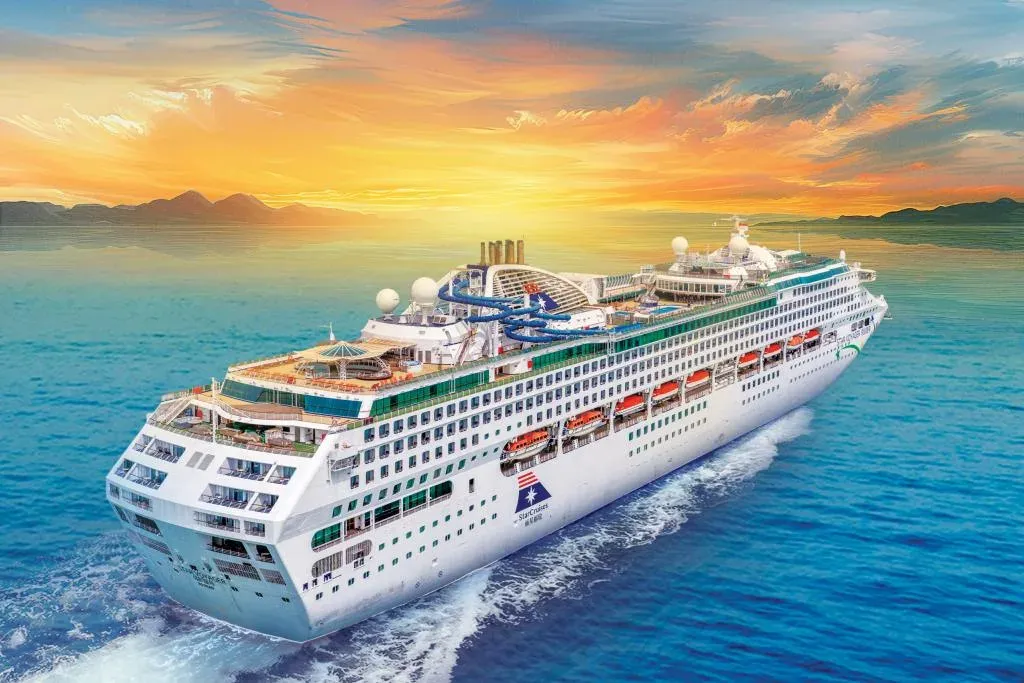
The Rise and Fall of Star Cruises Asia
The story of Star Cruises, once Asia’s most ambitious cruise empire, begins with Genting’s dream of building a regional fleet to dominate Southeast Asian waters. From glamorous casinos to iconic ships like Super Star Gemini and Star Pisces, this is the tale of how the Star Cruise Line rose, thrived, and ultimately fell.

The Playboy Club London: A Legacy of Glamour and Gambling
The Playboy Club London, also known as the Playboy Casino, is an iconic venue that has carved its niche in the world of entertainment and gaming. Founded by the legendary Hugh Hefner, the Playboy Club has been synonymous with luxury, exclusivity, and a distinctive brand of hedonism. The London branch, in particular, has a storied history spanning over five decades, reflecting the broader cultural shifts and economic trends of its time.

A Brief History of Aintree Racecourse
Aintree Racecourse is a place where courage meets chaos, where legends rise, and where every fence carries a story. From its 19th‑century origins to the modern Grand National Festival, Aintree blends heritage, spectacle, and emotion. This feature explores its history, iconic fences, celebrated winners, major incidents, and evolving welfare standards.

Back‑Room Casinos in Postwar London
In postwar London, the smoky back‑rooms of Soho and the West End became the city’s hidden gambling heart. Between the 1940s and 1950s, these illicit casinos thrived amid rationing, jazz, and crime. Their story reveals how underground gaming shaped London’s nightlife and led to Britain’s modern casino culture.