


Dark
Light
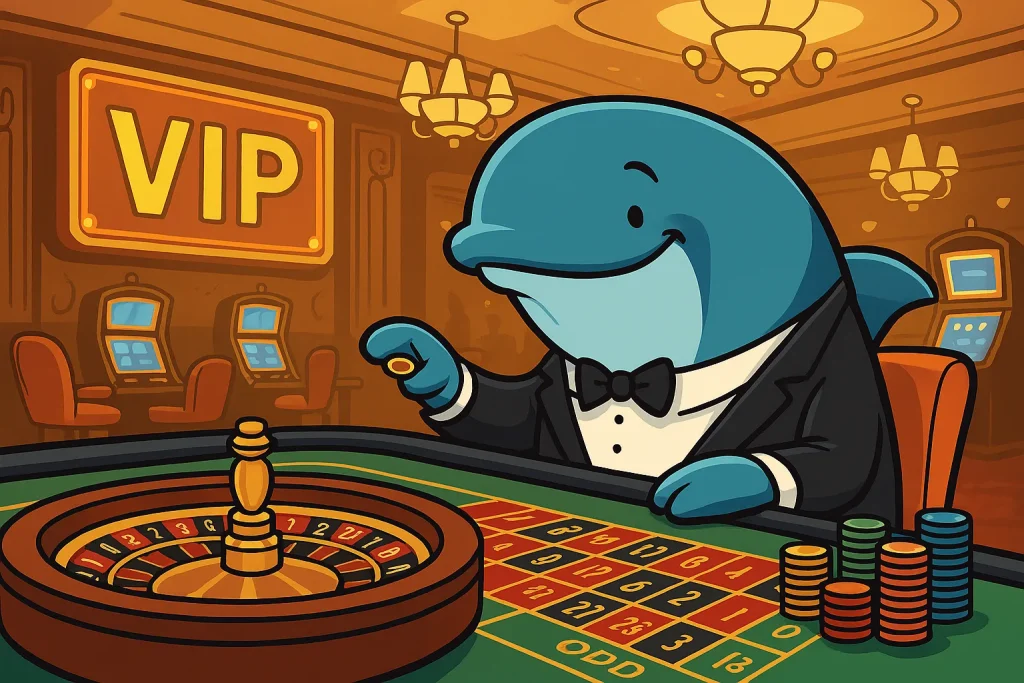
High‑stakes gambling represents the pinnacle of casino play, where elite gamblers—known as whales—wager sums that can reshape a casino’s revenue in a single night. This guide explores the strategies, psychology, perks, and risks behind high‑stakes gambling, offering a rare look into the exclusive world of VIP rooms and ultra‑high‑limit action
Understanding the World of High‑Stakes Gambling
High‑stakes gambling is more than simply betting large sums of money; it’s an entire ecosystem built around risk, psychology, and prestige. At its core, high-stakes gambling refers to wagering amounts far beyond standard table limits, often reaching tens or hundreds of thousands of dollars per hand. Casinos reserve these limits for elite gamblers, known as casino whales or high rollers, who receive unparalleled attention due to the enormous revenue they generate.
The psychology behind high‑stakes gambling is complex. Many whales are driven not only by the thrill of risk but also by the exclusivity and status associated with VIP casino culture. Casinos cultivate this environment intentionally, creating private gaming salons, high‑limit rooms, and personalised service to make whales feel valued and respected. This sense of exclusivity reinforces the allure of high‑stakes gambling, turning it into a lifestyle rather than a hobby.
Casinos court whales aggressively because a single high‑stakes gambler can generate more profit in one evening than hundreds of casual players combined. As a result, whales enjoy privileges such as private hosts, luxury suites, and bespoke entertainment. Understanding this dynamic is essential for anyone exploring the world of high-stakes gambling, as it reveals how casinos balance hospitality with the mathematics of the house edge and long-term profitability.
Ultimately, high-stakes gambling is a world built on calculated risk, psychological nuance, and the constant interplay between the player and the casino. It’s a realm where every decision carries weight, and where the stakes, financial, emotional, and reputational, are higher than anywhere else in the gaming industry.
The Evolution of the Casino Whale
The concept of the casino whale has undergone significant evolution over the past century. In the early days of Las Vegas, high‑stakes gambling was dominated by wealthy businessmen, oil magnates, and international aristocrats who sought glamour and excitement in the desert. Casinos quickly realised that these elite gamblers were worth cultivating, and the modern VIP program was born.
During the 1960s and 1970s, legendary casino whales such as Adnan Khashoggi and Kerry Packer redefined what high‑stakes gambling could look like. Their multimillion‑dollar swings became the stuff of casino folklore, and their presence could make or break a casino’s quarterly profits. This era cemented the whale as a cultural icon, part myth, part marketing tool, and part financial powerhouse.
As gambling expanded globally, new hubs emerged. Macau became the epicenter of high-stakes gambling in the 2000s, attracting ultra-wealthy players from across Asia. Casinos in Singapore, Monaco, and the Bahamas followed suit, each developing its own version of the VIP experience. Today, high‑stakes gambling is a global industry, supported by sophisticated data analytics, personalised marketing, and luxury hospitality.
Modern casino whales are more diverse than ever. Some are entrepreneurs, some are celebrities, and others are professional advantage players who use mathematics and discipline to gain an edge. Casinos now use advanced tracking systems to monitor betting patterns, preferences, and risk profiles, ensuring that every casino whale receives tailored service.
The evolution of the casino whale reflects broader changes in wealth distribution, global travel, and entertainment culture. Yet one thing remains constant: whales continue to shape the economics and mythology of high‑stakes gambling, driving innovation and competition across the global casino industry.
Becoming A Casino Whale: Bankroll, Risk, And Mindset
Becoming a casino whale in the world of high‑stakes gambling requires more than wealth; it demands discipline, emotional control, and a deep understanding of risk. While the exact threshold varies by casino, whales typically wager six‑ or seven‑figure sums per visit, supported by either personal wealth or substantial casino credit lines. This level of play requires a bankroll capable of absorbing extreme variance without jeopardising financial stability.
Bankroll management is the foundation of successful high‑stakes gambling. Even games with relatively low house edges, such as baccarat or blackjack, can produce massive swings at high limits. Casino whales must be prepared for losing streaks that would devastate casual players. Many elite gamblers set strict stop‑loss and win‑limit thresholds to maintain control and avoid emotional decision‑making.
The mindset of a casino whale is equally important. High‑stakes gambling demands emotional resilience, as the pressure of wagering enormous sums can cloud judgment. Successful casino whales remain calm under stress, avoid chasing losses, and understand that long‑term outcomes matter more than individual sessions. Some even hire professional advisors or advantage‑play consultants to help optimise their strategy.
Risk management extends beyond the tables. Whales must also navigate casino psychology, as casinos are designed to encourage extended play through subtle environmental cues, personalised attention, and luxury distractions. Recognising these tactics helps whales maintain clarity and avoid impulsive decisions.
Ultimately, becoming a casino whale is not about reckless spending; it’s about mastering the balance between risk, reward, and self‑control. High‑stakes gambling rewards those who approach it with discipline and punishes those who rely solely on luck or ego.
High‑Stakes Games: Where Casino Whales Play
High‑stakes gambling revolves around a select group of games that offer high betting limits, fast action, and the potential for dramatic swings. Among these, baccarat reigns supreme. Its simple rules, low house edge, and rapid pace make it the preferred game for casino whales, especially in Asian markets. A single hand of high‑stakes baccarat can involve hundreds of thousands of dollars, creating an atmosphere of intense anticipation.
High‑Limit Blackjack
Blackjack is another favourite among high‑stakes gamblers, particularly those who appreciate strategy. While casinos use countermeasures to deter card counters, whales who play with optimal basic strategy can still enjoy favourable odds. High‑limit blackjack tables often feature personalised dealers, private rooms, and bespoke rule variations negotiated by VIP hosts.
High‑Stakes Roulette
Roulette also attracts casino whales, especially those drawn to its glamour and unpredictability. High‑limit roulette tables allow massive wagers on single numbers, colours, or combinations, creating opportunities for dramatic wins or equally dramatic losses. The house edge is higher than in blackjack or baccarat, but the spectacle of high‑stakes roulette remains irresistible to many elite gamblers.
High‑Stakes Poker
Poker occupies a unique place in high‑stakes gambling. While most casino games pit players against the house, high‑stakes poker pits whales against one another. Private invitation‑only games, often held in secluded salons, attract celebrities, entrepreneurs, and professional players. These games can involve millions of dollars in a single session, blending skill, psychology, and prestige.
Ultimately, casino whales choose games that match their personality; strategists gravitate toward blackjack and poker, while thrill‑seekers embrace baccarat and roulette. Regardless of the game, high‑stakes gambling transforms every decision into a moment of consequence.
Inside the VIP Experience: How Casino Whales Are Treated
The VIP experience is the beating heart of high‑stakes gambling. Casinos invest heavily in creating an environment where whales feel valued, respected, and indulged. This begins with personalised service from casino hosts, who act as concierges, negotiators, and relationship managers. A host’s job is to anticipate a whale’s needs, from travel arrangements to dining preferences, and ensure a seamless experience.
Casino whales often arrive by private jet, courtesy of the casino, and stay in penthouse suites equipped with private spas, personal chefs, and panoramic views. Luxury transportation, exclusive entertainment, and priority access to restaurants and shows are standard perks. These benefits, known as casino comps, are calculated based on a whale’s theoretical loss, which reflects their average bet, game choice, and time spent playing.
Inside the casino, casino whales enjoy access to private gaming rooms, also known as salons or high‑limit lounges. These spaces offer privacy, comfort, and personalised dealers trained to handle high‑stakes gambling with discretion. The atmosphere is designed to encourage extended play, with premium drinks, gourmet snacks, and attentive service.
Casinos also offer bespoke incentives to whales, such as cashback rebates, loss-recovery deals, or favorable credit terms. These arrangements can significantly reduce the financial impact of high‑stakes gambling, making the experience more appealing to elite players.
Behind the scenes, casinos use sophisticated analytics to track whale behaviour, preferences, and risk profiles. This data helps hosts tailor offers and maintain strong relationships. For whales, the VIP experience is not just about gambling; it’s about being treated like royalty in a world built around their desires.
Strategy for High‑Stakes Gambling: Playing Smart at Big Limits
The strategy for high‑stakes gambling demands a methodical approach. While luck plays a role, whales that rely solely on chance often experience devastating losses. Successful high‑stakes gamblers focus on game selection, optimal play, and emotional discipline.
Game selection is the first strategic decision. Whales who prioritise favourable odds gravitate toward blackjack and baccarat, where the house edge is relatively low. Those who prefer spectacle may choose roulette, but they do so with an understanding of the higher long‑term cost. Poker offers the greatest potential for skill‑based advantage, but also the greatest psychological complexity.
Optimal play is essential. In blackjack, this means following basic strategy and avoiding deviations based on emotion. In baccarat, it means understanding betting patterns and avoiding superstitions. In roulette, it means managing risk through balanced bet structures rather than chasing improbable outcomes.
Some whales hire professional advisors or advantage‑play consultants to help refine their strategy. These experts analyse betting patterns, identify weaknesses, and provide guidance on risk management. While casinos monitor for advantage play, whales who operate within the rules can still enhance their long-term results through disciplined decision-making.
Emotional control is the final pillar of high‑stakes gambling strategy. Whales must avoid tilt, resist the temptation to chase losses, and maintain clarity under pressure. Casinos are designed to encourage impulsive behaviour, so self‑awareness is crucial.
Ultimately, high‑stakes gambling rewards players who combine intelligence, discipline, and self‑control. The most successful whales treat gambling as a strategic endeavour rather than a test of luck.
The Dark Side: Risks, Losses, and Responsible Gambling
While high‑stakes gambling offers glamour and excitement, it also carries significant risks. The financial stakes are enormous, and even wealthy whales can experience devastating losses. Casinos are designed to encourage extended play, and the psychological pressure of high‑stakes gambling can cloud judgment, leading to impulsive decisions.
One of the greatest dangers is chasing losses. When whales experience a losing streak, the temptation to increase bets in an attempt to recover can be overwhelming. This behaviour often leads to deeper losses and emotional distress. Responsible whales set strict limits and adhere to them, regardless of the outcome.
High‑stakes gambling also poses emotional and psychological risks. The adrenaline rush of big wins can create dependency, while the stress of large losses can lead to anxiety or depression. Whales must recognise these risks and maintain a healthy relationship with gambling.
Casinos offer responsible gambling tools, including self-exclusion programs, deposit limits, and cooling-off periods. While these tools are often marketed to casual players, they are equally valuable for whales who want to maintain control.
Ultimately, the dark side of high‑stakes gambling is a reminder that even the most glamorous experiences carry consequences. Whales who approach gambling with discipline, self‑awareness, and respect for risk are far more likely to enjoy long‑term success and avoid the pitfalls that have ensnared many elite gamblers.
Becoming a Whale: Myth vs. Reality
The idea of becoming a whale is surrounded by myths. Popular culture portrays whales as fearless risk‑takers who win millions effortlessly, but the reality is far more complex. Most whales are not reckless gamblers; they are wealthy individuals who approach high‑stakes gambling with strategy, discipline, and a clear understanding of risk.
One common misconception is that whales always win. In truth, the house edge ensures that casinos profit over time, even from elite players. Whales may experience spectacular wins, but they also endure significant losses. The key difference is that whales have the financial capacity to absorb these swings without jeopardising their lifestyle.
Another myth is that whales are treated like royalty purely out of generosity. In reality, the VIP experience is a calculated investment. Casinos offer luxury perks because whales generate enormous revenue. The relationship is mutually beneficial, but it is also transactional.
The rise of online casinos has created new opportunities for high-stakes gambling, with digital VIP programs, high-limit tables, and personalized hosts. However, the glamour of physical casinos, private jets, penthouse suites, and exclusive salons remains unmatched.
Ultimately, becoming a whale is not about chasing status. It’s about understanding the realities of high‑stakes gambling and approaching it with discipline, awareness, and respect for risk. The myth may be glamorous, but the reality is far more nuanced.
Conclusion
High‑stakes gambling blends luxury, risk, and strategy in a way few experiences can match. While whales enjoy unparalleled perks and prestige, success at this level requires discipline, preparation, and emotional control. Understanding the realities behind the glamour is essential for anyone exploring the world of high‑stakes gambling.
Frequently Asked Questions
What is high‑stakes gambling?
High‑stakes gambling involves wagering extremely large sums—often tens or hundreds of thousands—at exclusive casino tables reserved for elite players known as whales.
How much money do you need to be a casino whale?
A casino whale typically wagers six‑ or seven‑figure amounts per visit, supported by personal wealth or casino credit lines.
Which games do whales prefer?
Whales gravitate toward baccarat, high‑limit blackjack, roulette, and private poker games due to their high betting ceilings and fast action.
What perks do casinos offer whales?
Whales receive luxury perks, including private jets, penthouse suites, personal hosts, exclusive dining, and access to private gaming salons.
Is high‑stakes gambling risky?
Yes. High‑stakes gambling carries significant financial and emotional risk, making bankroll management and responsible gambling practices essential.


Sign Up for Our Newsletters
Be the first to know when new content is created.Related Posts

The Ballad of Dangerous Dave
Some years ago I got involved playing private poker games on the Isle of Man. There I met a man named Dave, a builder by trade, who became my arch nemesis. It seemed that no matter how strong my hand or how well I played my cards, Dave always had an answer. In his honor, I wrote this poem, to forever immortalize the dubious skills of 'Dangerous Dave.'

Hermes: Messenger of the Gods — Life, Myths, and His Connection to Luck & Chance
Hermes, the quick‑witted messenger of the gods, has long been associated with luck, cunning, and the unpredictable nature of chance. This article explores why Hermes became known as the Greek god of gamblers, his myths, symbols, and enduring influence on games of risk

The Life and Times of Derek Webb — Creator of Three Card Poker
Derek Webb is a British professional poker player and casino game inventor best known for creating Three Card Poker, one of the most successful table games in modern casino history. His journey from a London childhood to global gaming innovator is a story of skill, persistence, and entrepreneurial vision.

Jobs in Casinos: A Complete Guide to Casino Careers
If you are looking for jobs in casinos, there are far more career choices than simply becoming a dealer. Having spent years around the casino and gambling industry, I have seen careers develop from the gaming floor into supervision, management and VIP operations. In this guide, I explain the main casino jobs, the skills employers look for, and how to start building a career in a land-based casino.