


Dark
Light
Across cultures and centuries, humans have turned to divine figures for protection, prosperity, and the promise of a brighter future. These gods of good luck embody hope, resilience, and the belief that fortune can be influenced through devotion. Exploring their stories reveals how deeply luck is woven into global spiritual traditions.
The Concept of Deities and Good Fortune
Throughout history, humans have sought to understand and influence the forces that shape their lives. The concept of deities and good fortune is a reflection of this quest. In various cultures, gods and goddesses associated with luck, prosperity, and success have emerged, each with unique attributes and stories. These deities are believed to wield the power to bring good fortune and protect their devotees from misfortune. This belief in divine intervention in human affairs underscores the universal desire for a favorable destiny.
The idea of luck is multifaceted and culturally specific. While some cultures view luck as a random occurrence, others see it as a result of divine favor. This divergence in understanding has given rise to a plethora of gods and goddesses, each embodying the local interpretation of luck and fortune. These deities are often depicted with symbols and attributes that reflect their power and influence. The rituals and traditions associated with them are designed to invoke their blessings and ensure a prosperous life.
In this exploration, we will delve into the fascinating world of the top seven gods of good luck from around the globe. By understanding their stories, symbols, and the ways in which they are celebrated, we can gain insight into the diverse ways gamblers seek to attract good fortune. Whether through elaborate rituals or simple offerings, the desire to court the favor of these deities is a testament to the enduring human hope for a better future.
The Top 7 Gods of Good Luck
From the bustling streets of Tokyo to the serene temples of India, gods of good luck are revered and worshipped. Each deity has a unique story and set of attributes that make them special to their followers. In this section, we will introduce the top seven gods of good luck, each representing a different culture and tradition. These deities include Fortuna from Roman mythology, Lakshmi from Hinduism, Hotei from Japanese folklore, Cloacina from Roman mythology, Ebisu from Japanese culture, Jurojin from Taoism, and Ganesh from Hinduism.
Fortuna, the Roman goddess of fortune, is often depicted holding a cornucopia, symbolizing abundance, and a rudder, signifying control over fate. She is a complex figure, representing both the capricious nature of luck and the potential for prosperity. Lakshmi, the Hindu goddess of wealth and prosperity, is worshipped during Diwali, the festival of lights. She is often depicted sitting on a lotus flower, symbolizing purity and spiritual power. Hotei, one of the Seven Lucky Gods in Japanese folklore, is known as the “Laughing Buddha.” He is a symbol of contentment and happiness, often depicted with a large belly and a sack of treasures.
Cloacina, though lesser-known, is the Roman goddess of purity and the sewer system, symbolizing the purification of impurities and the flow of good fortune. Ebisu, another of the Seven Lucky Gods, is the Japanese god of fishermen and merchants, often depicted with a fishing rod and a bream, symbolizing abundance and prosperity in business. Jurojin, a Taoist god, represents longevity and wisdom. He is often depicted with a scroll containing the secrets of long life. Ganesh, the elephant-headed Hindu god, is revered as the remover of obstacles and the bringer of good fortune. His image is ubiquitous in Hindu homes and businesses, symbolizing success and prosperity.
Fortuna Goddess
Fortuna, the Roman goddess of fortune, has been a central figure in Roman mythology for centuries. Her name is synonymous with luck, both good and bad. Fortuna is often depicted with a wheel, symbolizing the unpredictable nature of fate. The wheel of fortune, as it is known, represents the constant change in one’s circumstances, reminding us that luck can be both fleeting and capricious. Fortuna’s dual nature makes her a complex deity, embodying both the benevolent and the fickle aspects of luck.
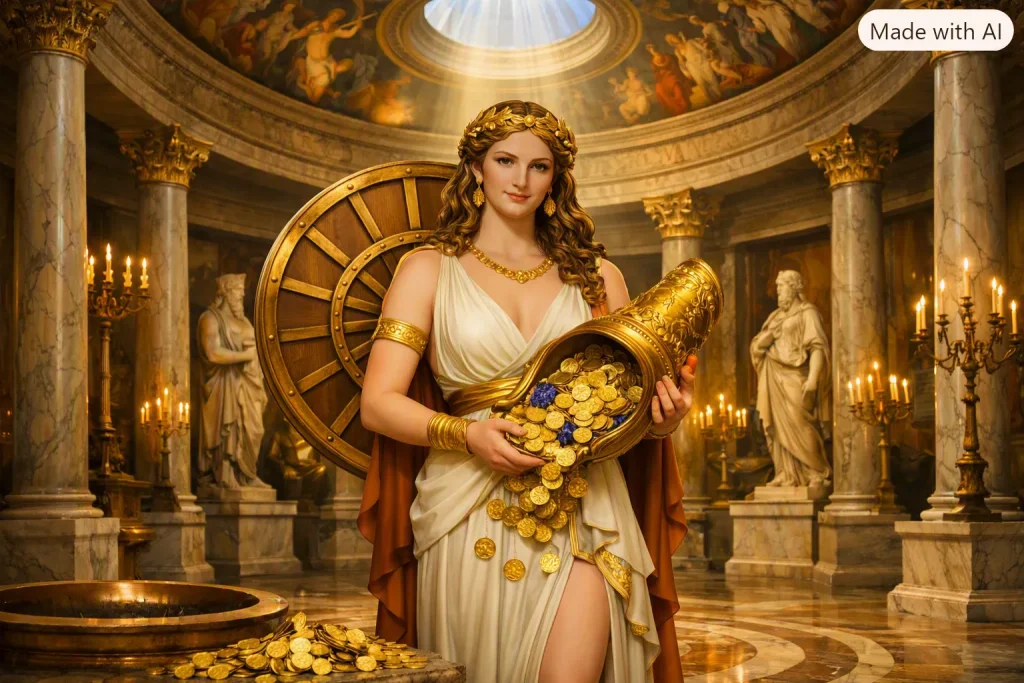
In Roman culture, Fortuna was worshipped in various forms, each representing a different aspect of luck and fate. Fortuna Primigenia was associated with the luck of childbirth, while Fortuna Redux represented safe returns from journeys. The Temple of Fortuna in Rome was a significant place of worship, where devotees would offer prayers and sacrifices to seek her favor. Fortuna’s influence extended beyond personal luck to encompass the fortunes of the state, making her an essential deity in Roman society.
Lakshmi Wealth Goddess
Lakshmi, the Hindu goddess of wealth and prosperity, is one of the most revered deities in Hinduism. She is often depicted with four arms, sitting or standing on a lotus flower, symbolizing purity and spiritual power. In her hands, she holds gold coins and other symbols of wealth, signifying her ability to bestow prosperity upon her devotees. Lakshmi’s association with the lotus flower also represents spiritual enlightenment and the ability to rise above worldly challenges.
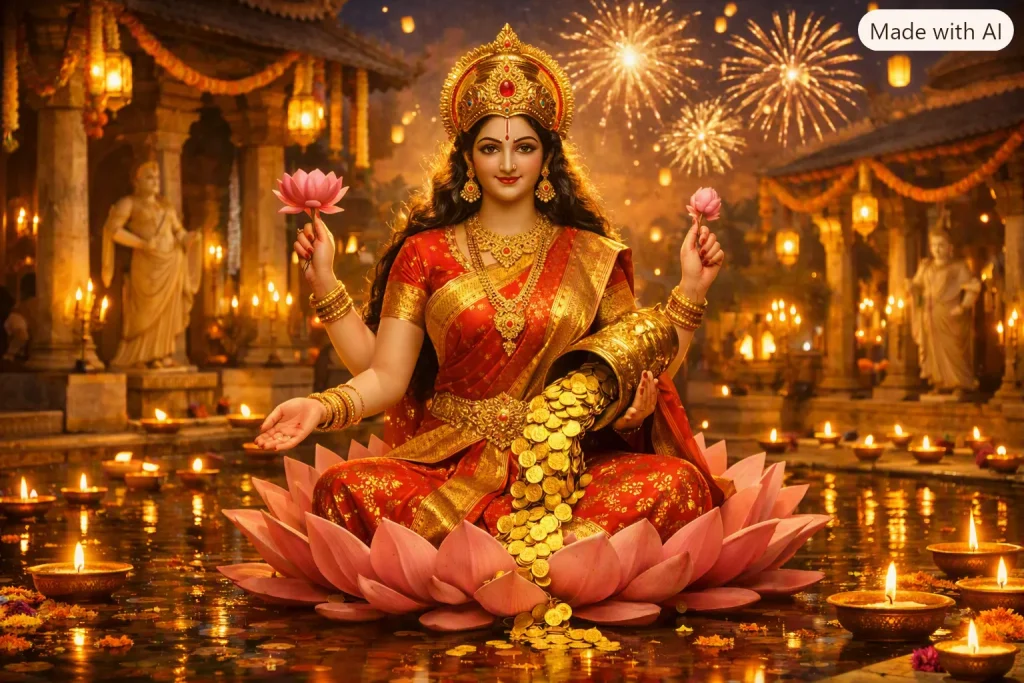
Lakshmi is worshipped during Diwali, the festival of lights, which celebrates the triumph of light over darkness and good over evil. During this festival, homes are cleaned and decorated with oil lamps to welcome Lakshmi and invite her blessings. The goddess is also invoked during important life events, such as weddings and business ventures, to ensure prosperity and success. Lakshmi’s presence in Hindu homes and temples is a constant reminder of the importance of wealth, both material and spiritual, in leading a fulfilling life.
Hotei Laughing Buddha
Hotei, known as the “Laughing Buddha,” is one of the Seven Lucky Gods in Japanese folklore. His cheerful demeanor and rotund belly symbolize contentment, happiness, and abundance. Hotei is often depicted carrying a large sack, which is said to contain treasures and gifts that he distributes to those in need. His image is a common sight in homes, restaurants, casinos and businesses in Japan, where he is revered as a bringer of good fortune and happiness.

Hotei’s origins can be traced back to a Chinese Buddhist monk named Budai, who lived during the Tang Dynasty. Budai was known for his joyful nature and his practice of giving away his possessions to the poor. Over time, his image evolved into Hotei, a beloved figure in Japanese culture. Hotei’s association with happiness and generosity makes him a popular deity, especially during the New Year celebrations, when people seek his blessings for a prosperous and joyful year ahead.
Cloacina Roman Goddess
Cloacina, the Roman goddess of purity and the sewer system, may not be as well-known as other deities, but her role in ensuring the cleanliness and health of cities was crucial. Her name is derived from the Latin word “cloaca,” meaning sewer. Cloacina was associated with the purification of impurities and the flow of good fortune, both literally and metaphorically. Her image was often depicted on coins and other artifacts, symbolizing the importance of maintaining a clean and healthy environment.
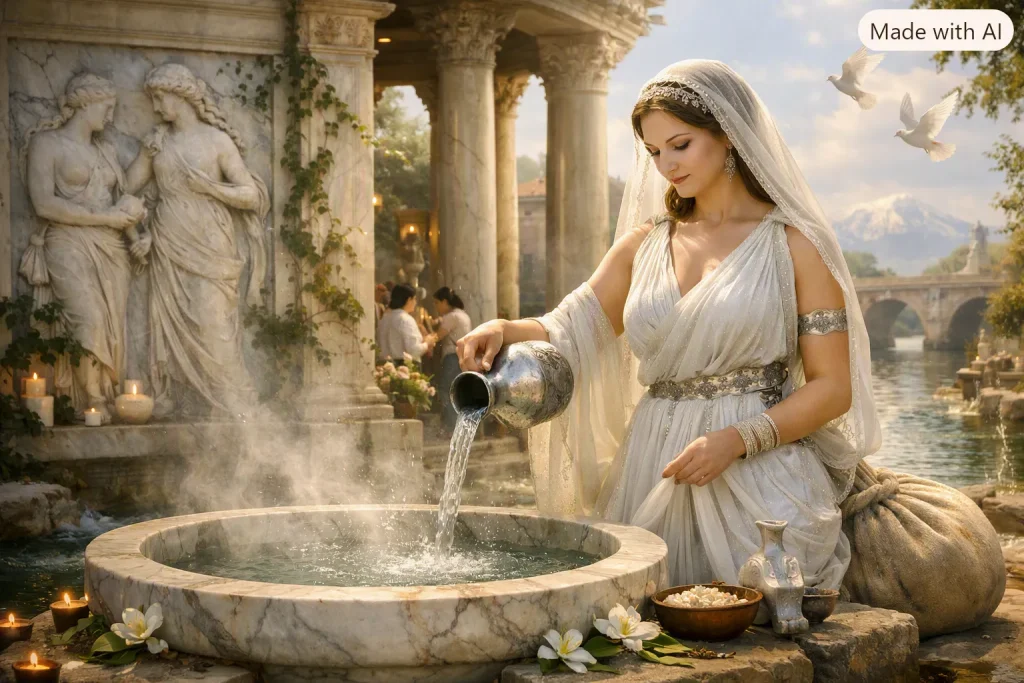
In ancient Rome, the Cloaca Maxima, one of the world’s earliest sewer systems, was dedicated to Cloacina. This engineering marvel not only facilitated the removal of waste but also prevented the spread of diseases, contributing to the overall well-being of the population. Cloacina’s influence extended beyond the physical realm to encompass moral and spiritual purity. By maintaining a clean and orderly environment, the Romans believed they could attract the favor of the gods and ensure their city’s prosperity.
Ebisu God of Fishermen
Ebisu, one of the Seven Lucky Gods in Japanese culture, is the god of fishermen, merchants, and good luck. He is often depicted with a fishing rod and a bream, symbolizing abundance and prosperity in business and fishing. Ebisu’s cheerful and approachable demeanor makes him a beloved figure in Japanese folklore. He is the only one of the Seven Lucky Gods who is of purely Japanese origin, and his worship dates back to ancient times.
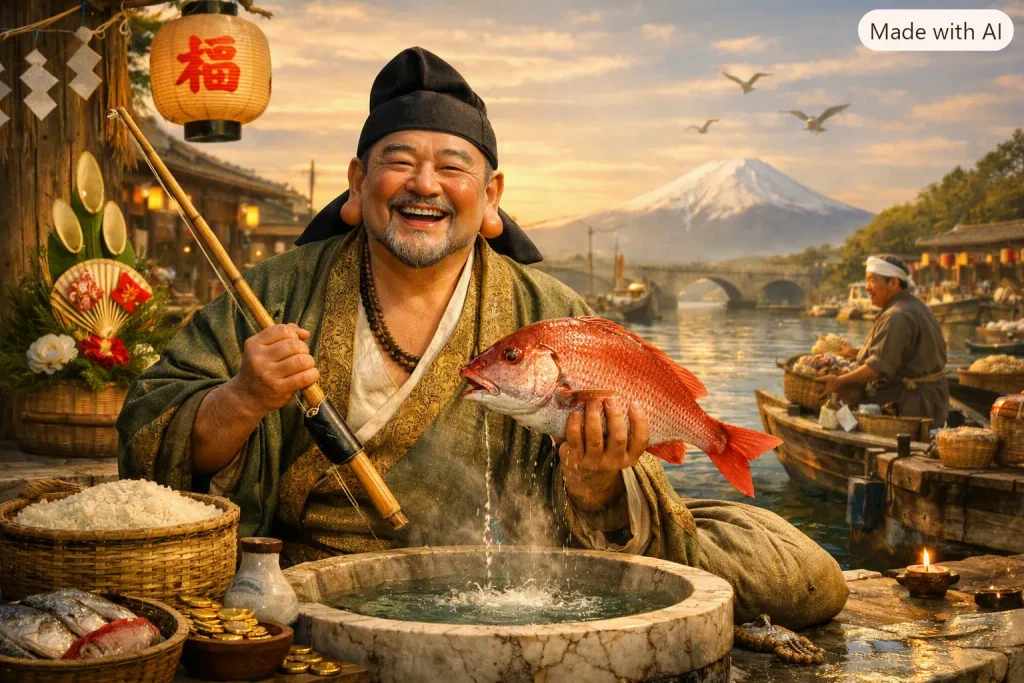
Ebisu’s origins are shrouded in myth, with various stories attributing his birth to different gods. Despite his uncertain origins, Ebisu’s role as a protector of fishermen and merchants has made him an important deity in Japanese culture. Fishermen often pray to Ebisu for a bountiful catch, while merchants seek his blessings for successful business ventures. Ebisu’s image is a common sight in markets and fishing villages, where his presence is believed to bring good luck and prosperity.
Jurojin Longevity God
Jurojin, a Taoist god, represents longevity and wisdom. He is often depicted as an old man with a long white beard, carrying a scroll that contains the secrets of long life. Jurojin is one of the Seven Lucky Gods in Japanese folklore, and his association with longevity and wisdom makes him a revered figure, especially among the elderly. His image is often accompanied by symbols of longevity, such as cranes, turtles, and pine trees.

Jurojin’s origins can be traced back to Chinese Taoism, where he is considered a deity of wisdom and long life. In Japan, Jurojin is celebrated during the New Year’s festival, when people seek his blessings for a long and healthy life. His association with wisdom also makes him a patron of scholars and students, who pray to him for success in their studies. Jurojin’s presence in homes and temples is a reminder of the importance of wisdom and longevity in leading a fulfilling life.
Ganesh Remover of Obstacles
Ganesh, the elephant-headed Hindu god, is one of the most beloved and widely worshipped deities in Hinduism. He is revered as the remover of obstacles and the bringer of good fortune. Ganesh is often depicted with an elephant’s head and a potbelly, holding various symbols of wisdom and prosperity. His association with new beginnings makes him an important deity in Hindu rituals and ceremonies.
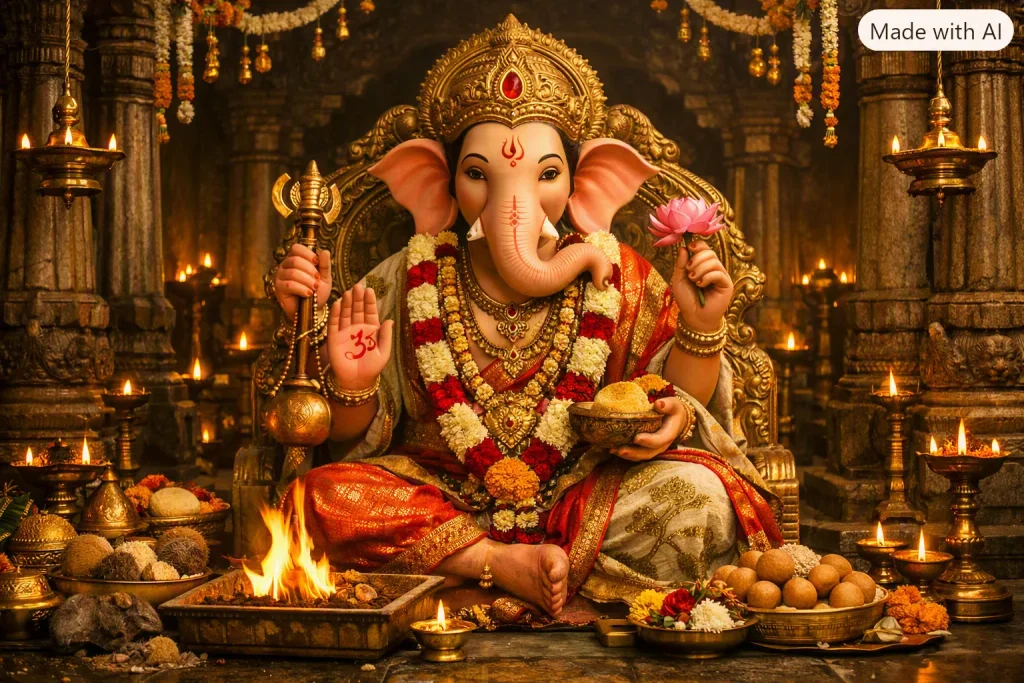
Ganesh’s origin story is a fascinating tale of creation and transformation. According to Hindu mythology, he was created by the goddess Parvati to guard her while she bathed. When Ganesh refused to let the god Shiva enter, Shiva, in a fit of rage, beheaded him. To appease Parvati, Shiva replaced Ganesh’s head with that of an elephant, giving him his distinctive appearance. Ganesh’s role as the remover of obstacles makes him an essential deity in Hindu worship, especially during important life events such as weddings, business ventures, and housewarming ceremonies.
Prosperity Symbols Associated with Good Luck Deities
Prosperity symbols and offerings play a crucial role in the worship of good luck deities. Each god or goddess is associated with specific symbols that represent their attributes and powers. These prosperity symbols are often incorporated into rituals and offerings to invoke the deity’s blessings. Understanding these symbols and offerings can provide insight into the deeper meanings and traditions associated with these deities.
| Deity | Origin / Domain | Symbols | Common Offerings | Meaning of Offerings |
|---|---|---|---|---|
| Fortuna | Roman goddess of fortune and fate | Wheel of Fortune, cornucopia, rudder | Coins, laurel wreaths, candles | Represents the turning of fate and abundance |
| Lakshmi | Hindu goddess of wealth and prosperity | Lotus flower, gold coins, elephants | Rice, sweets, flowers, lamps | Invokes prosperity, purity, and spiritual wealth |
| Ganesh | Hindu god of wisdom and new beginnings | Elephant head, modak (sweet), axe | Modaks, coconuts, incense | Symbolizes removal of obstacles and success |
| Jurojin | Taoist god of longevity and wisdom | Scroll, staff, white deer | Sake, rice, plum blossoms | Represents long life and enlightenment |
| Ebisu | Japanese god of fishermen and merchants | Fishing rod, red sea bream (tai), cap | Fish, rice, sake | Brings prosperity and good fortune in trade |
| Cloacina | Roman goddess of purity and cleansing | Silver amphora, flowing water, veil | Fresh water, white lilies | Symbolizes purification and renewal |
| Hotei | Japanese god of happiness and abundance | Laughing face, cloth sack, fan | Rice cakes, incense, fruit | Embodies joy, generosity, and contentment |
For Fortuna, the wheel and cornucopia are significant prosperity symbols. The wheel represents the unpredictable nature of fate, while the cornucopia symbolizes abundance and prosperity. Offerings to Fortuna often include coins, flowers, and other symbols of wealth.
Lakshmi’s prosperity symbols include the lotus flower, gold coins, and elephants, which represent purity, prosperity, and spiritual power. Offerings to Lakshmi typically include flowers, sweets, and money, especially during the festival of Diwali.
Hotei’s prosperity symbols include his large belly, which represents contentment and abundance, and the sack he carries, which is said to contain treasures and gifts. Offerings to Hotei often include sweets, fruits, and other items that symbolize happiness and prosperity.
Cloacina’s prosperity symbols include the sewer system and the image of a woman holding a branch, representing purity and cleanliness. Offerings to Cloacina are less common today, but in ancient Rome, they included flowers and other items associated with purification.
Ebisu’s prosperity symbols include the fishing rod and the bream, which represent abundance and prosperity in business and fishing. Offerings to Ebisu often include fish, rice, and sake, which are believed to attract his blessings.
Jurojin’s prosperity symbols include the scroll, which contains the secrets of long life, and animals such as cranes and turtles, which represent longevity. Offerings to Jurojin often include fruits, rice, and other items associated with longevity and wisdom.
Ganesh’s prosperity symbols include the elephant’s head, which represents wisdom and strength, and the mouse, which symbolizes humility and the ability to overcome obstacles. Offerings to Ganesh typically include sweets, fruits, and flowers, especially during the festival of Ganesh Chaturthi. Understanding these symbols and offerings can provide a deeper appreciation of the traditions and rituals associated with these deities.
Global Luck Traditions for Invoking Good Fortune
Good fortune rituals and global luck traditions are an integral part of worshipping good luck deities. These practices are designed to invoke the blessings of the gods and ensure a prosperous and successful life. Each culture has its own unique set of rituals and traditions, reflecting the diverse ways in which people seek to attract good fortune.
In Roman culture, worshipping Fortuna involved elaborate good fortune rituals and ceremonies. Devotees would visit her temples, offer sacrifices, and participate in festivals such as the Fortunalia, which celebrated her blessings. The rituals often included the spinning of a wheel, symbolizing the unpredictable nature of luck and fate. By participating in these rituals, the Romans sought to gain Fortuna’s favor and secure a prosperous future.
In Hinduism, worshiping Lakshmi involves a variety of good fortune rituals and global luck traditions, especially during the festival of Diwali. Homes are thoroughly cleaned and decorated with oil lamps to welcome Lakshmi and invite her blessings. Special prayers, known as pujas, are performed, and offerings of sweets, fruits, and money are made to the goddess. These rituals are believed to attract Lakshmi’s favor and ensure wealth and prosperity in the coming year.
In Japanese culture, worshiping Hotei and Ebisu involves both personal and communal good fortune rituals. Hotei is often honored with offerings of sweets and fruits, while Ebisu is revered with offerings of fish, rice, and sake. During the New Year’s festival, people visit shrines dedicated to the Seven Lucky Gods, including Hotei and Ebisu, to seek their blessings for the coming year. These rituals are an essential part of Japanese tradition, reflecting the deep cultural belief in the power of good luck deities.
In Taoism, worshiping Jurojin involves good fortune rituals and practices that emphasize wisdom and longevity. Devotees often offer fruits, rice, and other items associated with long life during festivals and ceremonies. Jurojin is also honored during the New Year’s festival, when people seek his blessings for a long and healthy life. These rituals reflect the Taoist belief in the importance of wisdom and longevity in leading a fulfilling life.
Worshipping Ganesh in Hinduism involves a variety of good fortune rituals and global luck traditions, especially during the festival of Ganesh Chaturthi. Devotees create elaborate clay idols of Ganesh, which are worshipped with offerings of sweets, fruits, and flowers. Special prayers and hymns are recited to invoke Ganesh’s blessings and seek his help in removing obstacles. The idols are later immersed in water, symbolizing the return of the deity to his heavenly abode. These rituals reflect the deep cultural reverence for Ganesh as the remover of obstacles and the bringer of good fortune.
How Different Cultures Celebrate Their Luck Gods
The celebration of luck gods varies widely across different cultures, reflecting the unique traditions and beliefs associated with each deity. These celebrations often involve festivals, rituals, and communal activities that bring people together in a shared expression of faith and hope for good fortune. Understanding how different cultures celebrate their luck gods can provide insight into the diverse ways in which humans seek to attract and honor good luck.
In Roman culture, the celebration of Fortuna involved grand festivals and public ceremonies. The Fortunalia, held in June, was a major festival dedicated to Fortuna, where people would gather to offer sacrifices, participate in games, and seek the goddess’s blessings. The spinning of the wheel, a symbol of Fortuna’s capricious nature, was a central part of the celebrations. These festivals were not only a religious observance but also a social event, bringing the community together in a shared expression of faith.
In Hinduism, the celebration of Lakshmi during Diwali is one of the most important festivals of the year. Homes are decorated with oil lamps and colorful rangoli designs to welcome the goddess and invite her blessings. Special prayers and pujas are performed, and offerings of sweets, fruits, and money are made to Lakshmi. The festival also involves the lighting of fireworks and the exchange of gifts, symbolizing the joy and prosperity that Lakshmi brings. Diwali is a time of renewal and celebration, reflecting the deep cultural reverence for Lakshmi as the goddess of wealth and prosperity.
In Japanese culture, the celebration of Hotei and Ebisu involves both personal and communal rituals. Hotei is often honored with offerings of sweets and fruits, while Ebisu is revered with offerings of fish, rice, and sake. During the New Year’s festival, people visit shrines dedicated to the Seven Lucky Gods, including Hotei and Ebisu, to seek their blessings for the coming year. These celebrations often involve traditional music, dance, and food, reflecting the deep cultural belief in the power of good luck deities.
In Taoism, the celebration of Jurojin involves rituals and practices that emphasize wisdom and longevity. Devotees often offer fruits, rice, and other items associated with long life during festivals and ceremonies. Jurojin is also honored during the New Year’s festival, when people seek his blessings for a long and healthy life. These celebrations reflect the Taoist belief in the importance of wisdom and longevity in leading a fulfilling life.
The celebration of Ganesh in Hinduism, particularly during the festival of Ganesh Chaturthi, is a grand and elaborate affair. Devotees create elaborate clay idols of Ganesh, which are worshipped with offerings of sweets, fruits, and flowers. Special prayers and hymns are recited to invoke Ganesh’s blessings and seek his help in removing obstacles. The idols are later immersed in water, symbolizing the return of the deity to his heavenly abode. The festival is marked by music, dance, and communal feasting, reflecting the deep cultural reverence for Ganesh as the remover of obstacles and the bringer of good fortune.
Modern Interpretations and Practices of Good Luck Deities
In the modern world, the worship of good luck deities has evolved to reflect contemporary lifestyles and beliefs. While traditional rituals and practices are still observed, many people have adapted these customs to fit their daily lives. Modern interpretations of good luck deities often emphasize personal empowerment, positive thinking, and the importance of maintaining a hopeful and optimistic outlook.
For many people, the worship of Fortuna has become a metaphor for embracing the uncertainties of life. The wheel of fortune symbolizes the ups and downs that everyone experiences, and the goddess’s dual nature reminds us that luck can be both good and bad. Modern devotees may not participate in elaborate rituals, but they often invoke Fortuna’s name in times of uncertainty, seeking her guidance and favor in navigating life’s challenges.
In Hinduism, the worship of Lakshmi has also evolved to reflect modern values and aspirations. While traditional rituals and offerings are still practiced, many people also focus on the qualities that Lakshmi represents, such as hard work, perseverance, and generosity. The festival of Diwali, for example, is not only a time for religious observance but also an opportunity to reflect on one’s achievements and set new goals for the future. By embodying Lakshmi’s virtues, devotees believe they can attract her blessings and ensure a prosperous life.
The image of Hotei, the Laughing Buddha, has become a symbol of positive thinking and contentment in modern culture. His cheerful demeanor and infectious smile have made him a global symbol of optimism. Today, Hotei statues appear not only in temples but also in homes, offices, and restaurants, where they serve as reminders to embrace joy, generosity, and emotional abundance. Many people rub his belly for good luck, a modern ritual that blends humor with hope.
Cloacina, though rooted in ancient Roman engineering and purification, has found new relevance in contemporary discussions about environmental health and urban infrastructure. Modern practitioners who reference her symbolism often do so metaphorically, invoking her as a guardian of cleanliness, order, and the smooth “flow” of life. In spiritual circles, Cloacina represents the clearing of emotional or energetic blockages, aligning her ancient purpose with modern wellness practices.
Ebisu’s influence has expanded beyond fishing villages and markets. Today, entrepreneurs, small business owners, and even digital creators invoke Ebisu as a patron of honest work and sustainable prosperity. His cheerful resilience resonates with modern workers navigating unpredictable economies. Many Japanese businesses still display Ebisu figurines near entrances or cash registers to attract steady income and trustworthy partnerships.
Jurojin’s association with longevity has taken on new meaning in an era focused on wellness, mindfulness, and healthy living. Modern devotees interpret his scroll as a metaphor for knowledge — the wisdom required to live a balanced life. His imagery appears in yoga studios, meditation spaces, and wellness retreats, where he symbolizes the pursuit of inner peace and long-term wellbeing.
Ganesh remains one of the most globally recognized gods of good luck. His symbolism has transcended religious boundaries, appearing in art, jewelry, home décor, and mindfulness practices worldwide. Many people, regardless of faith, invoke Ganesh before starting new projects, moving homes, or launching businesses. His role as the remover of obstacles aligns perfectly with modern aspirations for clarity, success, and personal growth.
Why Gamblers Seek Luck Deities
The universal appeal of gods of good luck stems from a shared human desire: the wish to influence the unpredictable. Whether facing economic uncertainty, personal challenges, or major life transitions, people turn to these deities for reassurance and empowerment. Luck gods offer:
- A sense of control in chaotic circumstances
- Cultural continuity, connecting individuals to ancestral traditions
- Emotional comfort, especially during difficult times
- Symbolic guidance, encouraging virtues like generosity, wisdom, and perseverance
These deities serve as mirrors reflecting humanity’s deepest hopes, for safety, prosperity, and a future shaped by benevolent forces.
Comparative Analysis: What Makes a Luck God?
Although each deity has unique cultural roots, several shared traits define gods of good luck across civilizations:
1. Symbols of Abundance
Cornucopias, lotus flowers, fish, scrolls, and elephants all represent prosperity, wisdom, or spiritual purity.
2. Association with Everyday Life
Luck gods often protect common activities — childbirth, travel, business, fishing, study, or household wellbeing.
3. Dual Nature
Many deities, like Fortuna, embody both good and bad luck, reminding devotees that fortune is fluid.
4. Ritual Offerings
Food, flowers, coins, incense, and handcrafted items serve as tokens of gratitude and requests for blessings.
5. Seasonal Festivals
Luck gods are celebrated during major cultural holidays, reinforcing community bonds and shared hope.
These commonalities highlight how deeply luck is woven into human identity, regardless of geography or belief system.
The Psychological Power of Luck Deities
Modern psychology offers insight into why luck gods remain influential:
- Rituals reduce anxiety by creating predictable, comforting routines.
- Symbols reinforce positive thinking, which can improve decision-making and resilience.
- Community celebrations strengthen social support, a key factor in wellbeing.
- Belief in luck increases confidence, often improving real-world outcomes through better performance.
In this sense, gods of good luck serve both spiritual and psychological functions, blending ancient tradition with modern emotional needs.
Global Influence of Luck Deities in Pop Culture
Luck gods appear frequently in films, literature, video games, and art. Ganesh statues decorate yoga studios worldwide. Hotei’s image is used in branding and hospitality. Lakshmi appears in global Diwali celebrations, now observed in many Western cities. Fortuna’s wheel remains a popular motif in casinos, tarot decks, and storytelling.
This widespread presence demonstrates how luck deities transcend religion, becoming cultural icons that symbolize hope, prosperity, and the human desire for transformation.
How to Incorporate Luck Deities Into Daily Life
You don’t need to follow a specific religion to appreciate the symbolism of luck gods. Many people integrate these figures into daily routines in simple, meaningful ways:
- Displaying statues or artwork in homes or workspaces
- Lighting candles or incense to create a peaceful environment
- Practicing gratitude rituals inspired by Lakshmi or Ganesh
- Using symbols (lotus, elephant, fish, scrolls) in jewelry or décor
- Meditating on virtues like wisdom, generosity, or resilience
- Setting intentions during festivals or seasonal transitions
These practices help cultivate mindfulness, positivity, and a sense of connection to global cultural heritage.
The Top 7 Gods of Good Luck (Summary Table)
| Deity | Culture | Symbolism | Key Attributes |
|---|---|---|---|
| Fortuna | Roman | Wheel, cornucopia | Fate, abundance, unpredictability |
| Lakshmi | Hindu | Lotus, gold coins | Wealth, purity, prosperity |
| Hotei | Japanese | Sack, belly | Happiness, generosity, contentment |
| Cloacina | Roman | Purification symbols | Cleanliness, flow, renewal |
| Ebisu | Japanese | Fishing rod, bream | Business success, honest work |
| Jurojin | Taoist/Japanese | Scroll, crane, turtle | Longevity, wisdom |
| Ganesh | Hindu | Elephant head, mouse | New beginnings, obstacle removal |
How Rituals and Traditions Could Benefit Gamblers
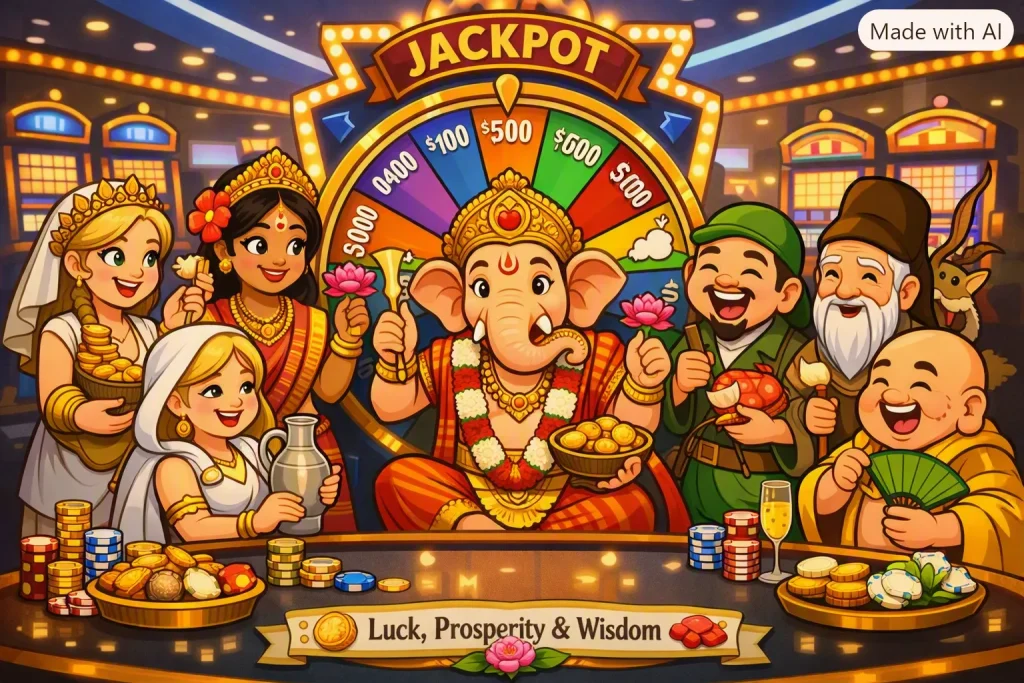
Around the world gamblers use good fortune rituals and global luck traditions in a variety of ways. That might mean carrying the symbols associated with the 7 gods of good luck or taking advantage of casino promo codes, either way, luck is an essential part of gambling.
Cultural Insight
Across civilizations, good fortune rituals, from Lakshmi’s Diwali offerings to Fortuna’s wheel of fate, serve as psychological anchors. They connect chance‑based activities like gambling to deeper ideas of destiny, balance, and gratitude.
Psychological Benefits
- Confidence boost: Performing good fortune rituals (lighting incense, carrying charms, reciting mantras) helps gamblers feel prepared and focused, reducing anxiety before play.
- Sense of control: In games ruled by probability, good fortune rituals create perceived structure, a way to “align” with fortune rather than fight randomness.
- Emotional regulation: Global luck traditions calm the mind, preventing impulsive decisions and promoting discipline.
- Community and identity: Shared rituals, whether in casinos or cultural festivals, reinforce belonging and respect for heritage.
Practical Influence
While rituals don’t alter mathematical odds, they enhance mindset and decision‑making. A calm, confident player is more likely to manage risk wisely, recognize patterns, and avoid chasing losses.
Common Global Practices
| Region | Ritual / Symbol | Purpose |
|---|---|---|
| India | Offerings to Lakshmi or Ganesh | Invite prosperity and remove obstacles |
| Japan | Prayers to Ebisu or Hotei | Encourage good fortune and joy |
| China | Use of red envelopes and lucky coins | Symbolize wealth and protection |
| Europe | Invoking Fortuna or carrying talismans | Represent fate’s favor and abundance |
In short, good fortune rituals benefit gamblers by shaping mindset, not outcomes, blending cultural wisdom with psychological resilience.
Conclusion
Across continents and centuries, gods of good luck have shaped cultural identity, spiritual practice, and personal belief. Whether worshipped through elaborate festivals or simple daily rituals, these deities embody humanity’s enduring hope for prosperity, protection, and positive transformation. Their stories remind us that luck is not merely chance; it is a blend of mindset, tradition, free spins and the symbolic power we assign to the world around us.
By exploring Fortuna’s wheel, Lakshmi’s lotus, Hotei’s laughter, Cloacina’s purity, Ebisu’s resilience, Jurojin’s wisdom, and Ganesh’s strength, we gain insight into the universal desire to influence destiny. These gods of good luck continue to inspire millions, offering comfort, motivation, and a sense of connection to something greater than ourselves.
Gods of Good Luck – Other Resources of Interest
| Name | URL |
|---|---|
| House of Good Fortune | https://www.houseofgoodfortune.org/bonheur-blog/fortuna-roman-goddess-of-luck |
| Pushpam | https://pushpam.co/blogs/blogs/goddess-lakshmi-complete-guide-to-the-hindu-goddess-of-wealth-prosperity-fortune |
| Original Buddhas | https://www.originalbuddhas.com/blog/laughing-buddha |
| Medium (Dr Pamela Weatherill) | https://medium.com/illumination/the-ancient-romans-worshipped-a-sewer-goddess-maybe-they-were-onto-something-eadadffc2e31 |
| Uncanny Japan (podcast) | https://uncannyjapan.com/podcast/leech-boy-who-became-a-god/ |
| Old World Gods | https://oldworldgods.com/japanese/jurojin-god-of-longevity/ |
| Online With Amma | https://www.amritapuri.org/3714/ganesha.aum |
| Godchecker (all things god related, non-religious) | https://www.godchecker.com/ |
| Betway Casino Review 2026 | https://godsofgambling.com/casino/betway/ |
| Hyper Casino Review 2026 | https://godsofgambling.com/casino/hyper/ |
Frequently Asked Questions
❓ Who is the most powerful god of good luck?
Different cultures view their deities uniquely, but Ganesh and Lakshmi are among the most widely worshipped globally.
❓ Are luck gods still worshipped today?
They certainly are; millions of people incorporate these deities into festivals, rituals, and daily life.
❓ Can non‑religious people honor luck gods?
Absolutely. Many people appreciate their symbolism without practicing a specific religion.
❓ What offerings attract good luck?
Common offerings include flowers, sweets, coins, incense, and symbolic items like lotus flowers or fish.
❓ Why do so many cultures have luck gods?
Because humans universally seek protection, prosperity, and hope, themes that transcend geography and belief.
❓ How do good fortune rituals and global luck traditions benefit gamblers?
Good fortune rituals and global luck traditions benefit gamblers by boosting confidence, focus, and emotional control. Practices like offering to Lakshmi, invoking Fortuna, or carrying lucky charms create a sense of calm and control in uncertain games. While they don’t change odds, these rituals help gamblers manage risk, make clearer decisions, and connect with cultural beliefs about prosperity and fate, blending psychology with tradition for a more mindful approach to chance.


Sign Up for Our Newsletters
Be the first to know when new content is created.Related Posts

Ne Zha Chinese God of Gambling
Nezha (Li‑Nezha) is widely recognised in modern casino culture as the Chinese God of Gambling, a fiery, rebellious deity associated with luck, risk and miraculous turnarounds. Although not traditionally a gambling god, Nezha’s mythic feats and fearless nature have made him a powerful symbol of fortune in contemporary gaming.

Illegal Gambling Gangs in the Midlands (1890–1930)
Illegal gambling in Birmingham between 1890 and 1930 thrived in back‑street pubs, industrial slums, and racecourse networks controlled by gangs like the Peaky Blinders and the Birmingham Boys. Despite strict laws, betting, pitch‑and‑toss, and off‑track bookmaking flourished, shaping the city’s criminal underworld and police responses.

The Life and Times of Derek Webb — Creator of Three Card Poker
Derek Webb is a British professional poker player and casino game inventor best known for creating Three Card Poker, one of the most successful table games in modern casino history. His journey from a London childhood to global gaming innovator is a story of skill, persistence, and entrepreneurial vision.

A Review of The Gambler by Fyodor Dostoevsky
The Gambler is one of Fyodor Dostoevsky’s most revealing works, an electrifying blend of autobiography, psychological insight, and social satire. Written under extreme financial pressure and shaped by his own addiction to roulette, the novel offers a raw, intimate look at compulsion, love, and self‑destruction. This review of The Gambler explores its themes, characters, and lasting cultural impact.