Random number generators (RNGs) are the digital heartbeat of online gambling, ensuring fairness, unpredictability, and integrity across games. By simulating randomness through algorithms or physical processes, RNGs guarantee that every spin, card, or roll is unbiased—mirroring the chance-based nature of traditional casinos.
Understanding Random Number Generators
In the realms of computing, statistics, and gambling, the term “random number generator” (RNG) holds significant importance. At its core, an RNG is a mathematical algorithm or physical device designed to generate a sequence of numbers or symbols with no predictable pattern, hence the term “random.”
Origins and Development
The concept of randomness dates back centuries, but the formalization and development of random number generators primarily occurred in the 20th century with the rise of computing. John von Neumann, a renowned mathematician and computer scientist, is often credited with pioneering early work in random number generation during the 1940s. Subsequently, other mathematicians and computer scientists contributed to the advancement of RNG algorithms.
How Does a Random Number Generator Work?
RNGs can operate through various mechanisms, but they generally fall into two categories:pseudo-random number generators (PRNGs) and true random number generators (TRNGs).
Pseudo-Random Number Generators (PRNGs)
PRNGs employ deterministic algorithms to generate sequences of numbers that appear random. These algorithms typically require an initial value, known as a seed, to initiate the sequence. While PRNGs can generate sequences that appear random, they are ultimately deterministic and repeatable if the same seed is used.
True Random Number Generators (TRNGs)
TRNGs generate numbers using physical processes or phenomena that are inherently unpredictable, such as atmospheric noise, radioactive decay, or electronic noise. TRNGs offer a higher degree of randomness compared to PRNGs and are often used in applications where truerandomness is critical.
Are Random Number Generators Really Random?
The randomness of RNGs is a subject of debate and scrutiny. While TRNGs rely on physical processes that theoretically produce true randomness, PRNGs are deterministic by nature. However, PRNGs can exhibit properties of randomness when properly implemented and seeded with sufficiently random values. Rigorous testing and statistical analysis are employed to assess the randomness of RNG outputs.
Application in Online Slot Games
Online slot games, like their physical counterparts, rely on RNGs to determine the outcome of each spin. Modern online casinos use sophisticated RNG algorithms to ensure fair gameplay and prevent predictability. These RNGs produce outcomes that are independent of previous spins and cannot be manipulated by players or the casino.
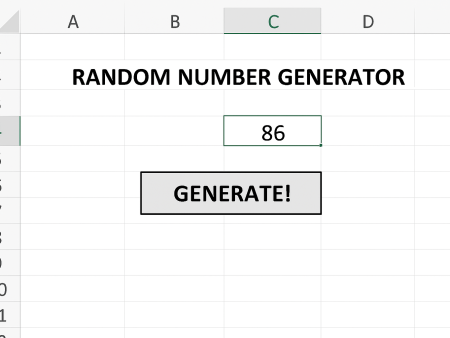
Creating a Simple Random Number Generator in Excel
Excel, while primarily a spreadsheet tool, can be used to create basic random number generators. By utilizing Excel’s built-in functions such as RAND() or RANDBETWEEN(), users can generate random numbers within specified ranges. However, it’s essential to note that Excel’s RNG functions are pseudo-random and may not be suitable for applications requiring high levels of randomness or security.
Bypassing RNG in Slot Games and Cheating
Attempts to bypass or manipulate RNGs in slot games constitute cheating and are strictly prohibited by gaming regulations. While some individuals may try to exploit vulnerabilities in RNG algorithms or gaming software, reputable online casinos employ stringent security measures to detect and prevent such activities. Cheating attempts can result in legal consequences and permanent bans from gaming platforms.
Random Number Generator Scams and Casino Practices
While RNGs themselves are not inherently scammy, there have been instances of fraudulent behavior related to their implementation. Some rogue casinos may use rigged or biased RNG algorithms to manipulate game outcomes in their favour, leading to unfair gameplay and losses for players. However, reputable gaming authorities enforce regulations to ensure the integrity and fairness of RNG-based games.
In conclusion, random number generators play a crucial role in various fields, including scientific simulations, gaming, and cryptography. While their operation and reliability may vary depending on the implementation, RNGs serve as essential tools for generating unpredictable sequences of numbers, fostering innovation, and enabling fair and secure interactions in digital environments.
FAQ
- What is a random number generator (RNG)?
An RNG is software that generates unpredictable sequences of numbers, used to determine outcomes in online casino games such as slots, blackjack, and roulette. - Are RNGs truly random?
There are two types: true random number generators (True RNGs), which utilize physical phenomena (such as atmospheric noise), and pseudo random number generators (Pseudo RNGs), which employ algorithms and seed values. Most online casinos use pseudo RNGs, which are statistically random and rigorously tested. - How do RNGs ensure fair play in online casinos?
RNGs are continuously audited by independent testing agencies to verify randomness and fairness. This prevents manipulation and ensures that outcomes are not predictable or biased. - Can players beat or predict RNGs?
No. RNGs operate at high speeds and generate numbers constantly, making it impossible to predict outcomes. Attempts to reverse-engineer them are virtually ineffective due to encryption and regulatory safeguards. - Are RNGs used in all online casino games?
Yes, except for live dealer games. RNGs power digital slots, card games, roulette, and dice games—essentially any game without a human dealer.