


Dark
Light
Richard Marcus became notorious in gambling history for developing the Savannah roulette scam, a form of casino cheating based on manipulating the apparent value of a roulette wager. His career eventually took him from professional casino cheating to writing and game-protection consulting, making the Savannah an important case study in casino security.
Who Is Richard Marcus?
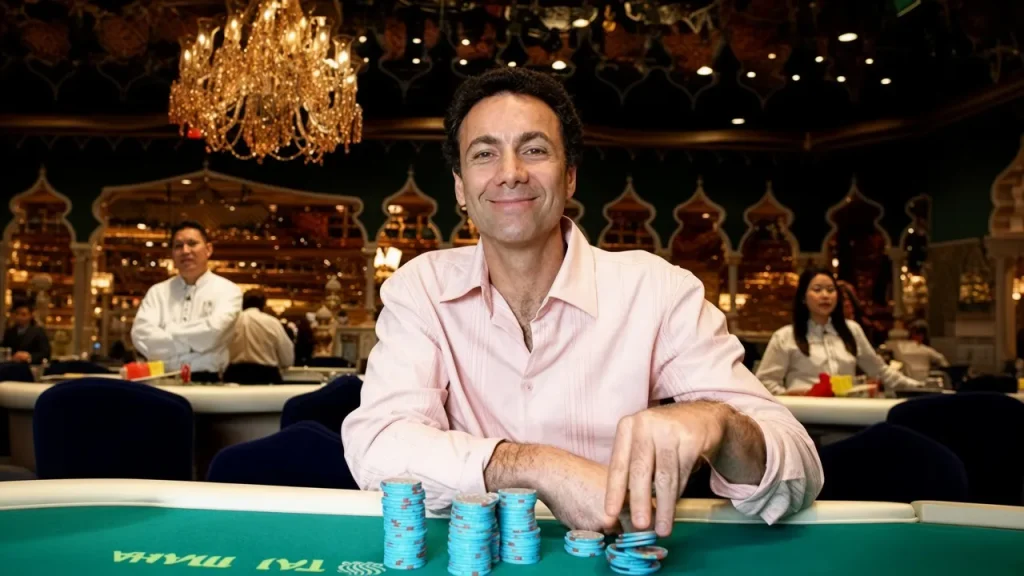
Richard Marcus is a former professional casino cheat who later became an author and casino game protection consultant. According to his published biography and interviews, his involvement with gambling began decades before the Savannah became his best-known technique.
Marcus worked as a casino dealer and became increasingly interested in the vulnerabilities created by human observation, casino procedures, and gaming-chip denominations. His memoir American Roulette, published in 2003, documents his career and describes the cheating techniques he developed or used.
His story is unusual because Marcus eventually moved from the criminal side of the casino industry to the security side. He has subsequently worked with casinos and gaming professionals on casino surveillance, table-game protection, and identifying cheating techniques.
What Was the Savannah Roulette Scam?
The Savannah roulette scam was a form of chip manipulation. Rather than attempting to predict the roulette number or exploit the mathematics of the wheel, the technique depended on manipulating the apparent value of a wager.
The name “Savannah” does not refer to Savannah, Georgia, or to a particular casino. Marcus has said that he named the technique after a woman he knew at the time.
At a high level, the scam involved a legitimate-looking roulette wager in which a high-denomination casino chip was concealed beneath lower-value chips. The arrangement was intended to make the wager appear considerably smaller to the dealer and other observers than its actual value.
The critical feature was what happened after the roulette result was known. A winning wager could be represented as having contained the high-value chip, while a losing wager could be manipulated so that the apparent loss was much smaller.
This made the Savannah fundamentally different from a conventional betting strategy. It was not an attempt to overcome the house edge through mathematics. It was an attempt to alter the amount of money at risk after the outcome had become known.
How the Savannah Roulette Scam Worked
Marcus has described the Savannah as a particularly simple form of roulette cheating, despite the substantial amounts of money that he says were generated through it.
The technique exploited several weaknesses simultaneously: the physical similarity of certain casino chips, the speed and distractions of a busy roulette table, the position of wagers on the layout, and the assumptions made by dealers and surveillance personnel.
Importantly, the technique relied on deception rather than legitimate advantage play. A successful execution could make surveillance footage appear to support the legitimacy of the original wager, while the cheater’s handling of the chips after the result altered the financial outcome.
Modern casino game-protection professionals study historical scams such as the Savannah precisely because they demonstrate that casino security depends on more than cameras. Dealer procedures, chip recognition, observation, communication between table staff and surveillance, and behavioural awareness all form part of effective casino protection.
Richard Marcus and the Savannah’s Las Vegas Years
Marcus has said that the Savannah became particularly successful for him in Las Vegas during the late 1990s. In interviews, he has described making substantial amounts of money from the technique and attracting increasing attention from casino security personnel.
Contemporary and retrospective accounts differ over the precise amount involved. Marcus has variously discussed totals reaching into the millions, while more recent interviews have produced larger estimates for the overall proceeds from his 25-year cheating career.
These figures should therefore be treated as Marcus’s own reported figures rather than independently audited totals.
One documented turning point came when a Las Vegas casino refused to pay Marcus after a Savannah-related session. According to Marcus’s later account, the incident contributed to his decision to stop using the technique in Las Vegas.
He subsequently continued travelling and eventually ended his career as a professional casino cheat around the turn of the millennium.
Why Was the Savannah Roulette Scam Significant?
The Savannah became notable because it demonstrated how a casino could potentially be attacked without sophisticated electronic equipment or manipulation of the roulette wheel itself.
Its significance lies in human factors.
Roulette dealers have to monitor wagers, players, chips, payouts, and the wheel simultaneously. Casino surveillance teams must interpret what they see on camera and determine whether apparently legitimate actions conceal something more complicated.
Marcus’s account illustrates why casinos developed increasingly sophisticated approaches to table-game protection. Surveillance is only effective when staff understand what unusual behaviour might mean.
The Savannah therefore belongs to the history of casino fraud alongside other forms of chip manipulation, past-posting and dealer deception.
From Casino Cheat to Game-Protection Consultant
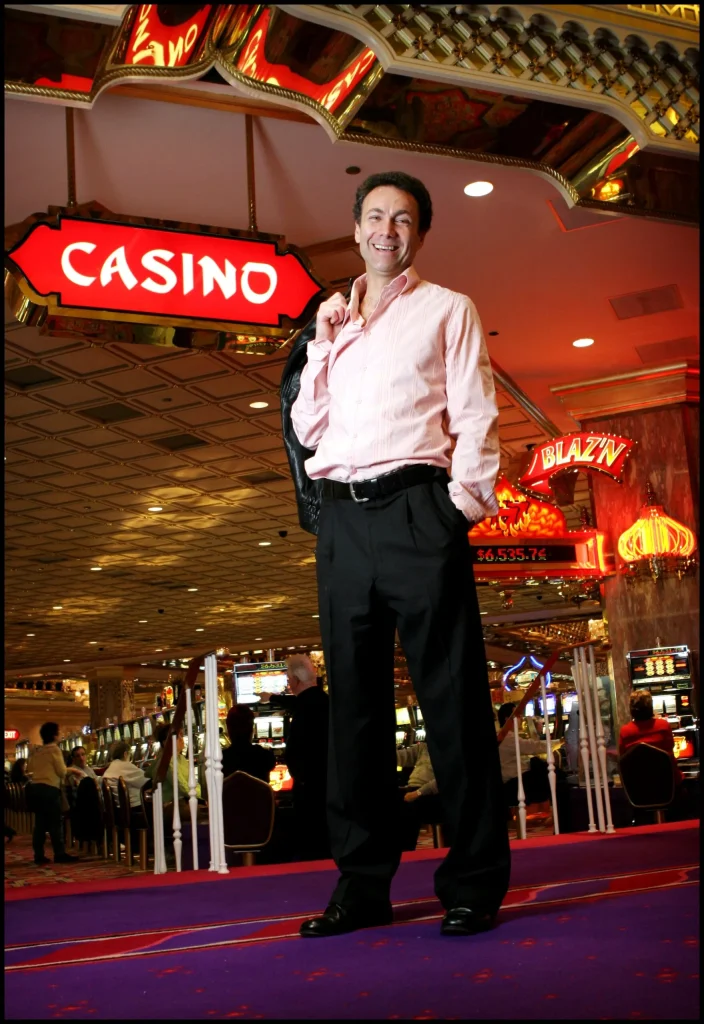
After leaving professional casino cheating, Marcus turned his experiences into books, interviews and consulting work.
His 2003 memoir, American Roulette: How I Turned the Odds Upside Down—My Wild Twenty-Five-Year Ride Ripping Off the World’s Casinos, presented his account of his career. He later wrote The Great Casino Heist and other material concerning gambling scams and casino cheating.
His experience also became relevant to the casino industry from the opposite direction. Marcus has subsequently worked as a game-protection consultant and trainer, explaining how professional cheats think and how casinos can improve their defences.
This transition gives the Savannah story a second historical dimension. A technique once used against casinos subsequently became material for teaching casino personnel about the vulnerabilities of table games.
The Savannah Scam and Modern Casino Security
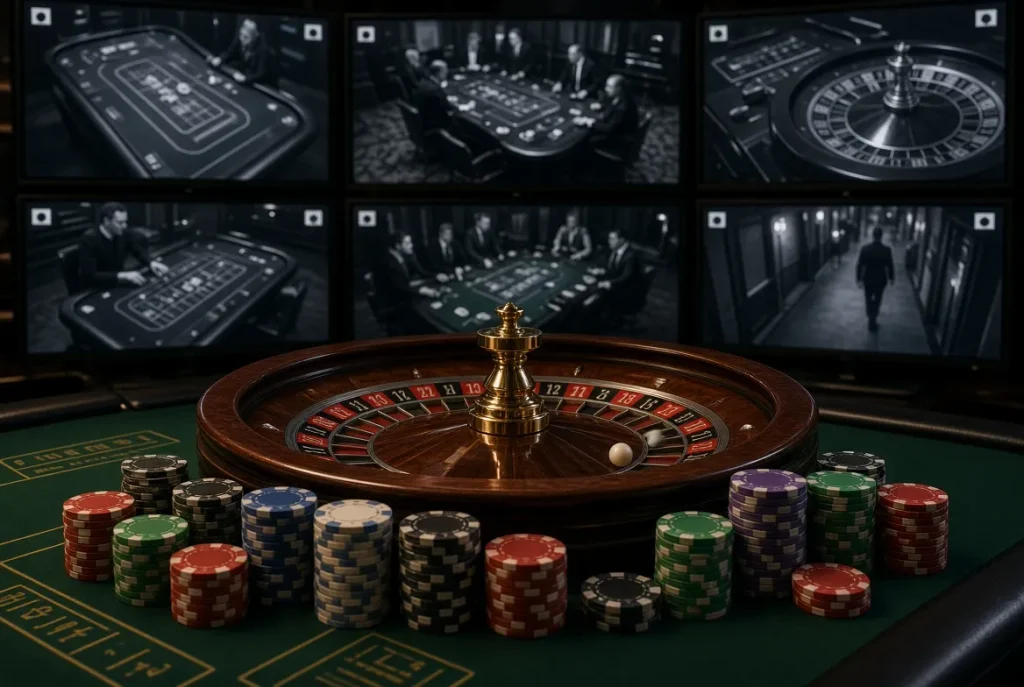
Casino technology has changed considerably since Marcus’s active cheating career. Surveillance systems are more sophisticated, casino operations are increasingly data-driven, and some gaming chips incorporate technologies designed to assist identification and tracking.
However, Marcus has continued to argue that technology alone cannot eliminate casino cheating. His interviews emphasise the importance of trained personnel who can interpret suspicious behaviour and recognise patterns.
The history of the Savannah therefore illustrates a broader principle in casino security: sophisticated equipment does not replace experienced human observation.
For gambling historians, the episode is also a reminder that some of the most consequential casino scams have depended on relatively simple ideas combined with timing, deception and psychology.
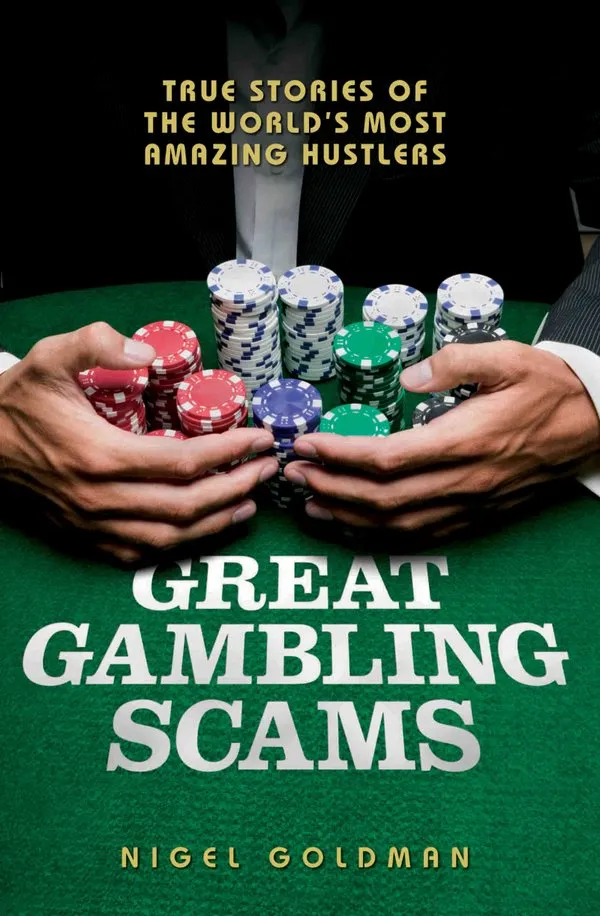
Great Gambling Scams
Great Gambling Scams
4
5
0
1
True Stories of The World’s Most Amazing Hustles.
True Stories of The World’s Most Amazing Hustles.
4/5
Total Score
iAvailable as an Ebook
Good
Conclusion
The Savannah roulette scam became the defining episode of Richard Marcus’s career as a professional casino cheat. Rather than manipulating the roulette wheel, Marcus used chip manipulation and deception to alter the apparent size of wagers according to the result.
His later transition into authorship and casino game protection gave the episode an unusual place in gambling history. Today, the Savannah remains a frequently discussed example of historical roulette cheating and the continuing importance of casino surveillance and table-game protection.
Frequently Asked Questions
Who is Richard Marcus?
Richard Marcus is a former professional casino cheat who became known for the Savannah roulette scam and other forms of chip manipulation. After ending his cheating career, he became an author and casino game-protection consultant, using his knowledge of cheating techniques to help casinos understand and prevent table-game fraud.
What was the Savannah roulette scam?
The Savannah was a form of roulette cheating associated with Richard Marcus. It involved manipulating the apparent value of a wager using casino chips of different denominations. The purpose was to limit the apparent loss on unsuccessful bets while benefiting from the higher-value wager when the result was favourable.
Why was it called the Savannah?
Marcus has explained that he named the technique after a woman he knew at the time. Despite the name, the Savannah roulette scam was not a gambling scheme originating in Savannah, Georgia.
How did the Savannah roulette scam affect casinos?
The technique demonstrated vulnerabilities in traditional table-game procedures, particularly those involving chip identification, dealer observation, and surveillance. Its history contributed to wider discussion of casino game protection and the need for coordinated observation between dealers, floor personnel, and surveillance teams.
Was the Savannah roulette scam a legitimate betting strategy?
No. The Savannah was a cheating technique rather than an advantage-play strategy. It depended on deception and manipulation of casino wagers rather than a mathematically legitimate way of reducing the house edge.
How much money did Richard Marcus make from casino cheating?
There is no independently audited figure establishing Marcus’s total winnings from casino cheating. In different interviews and publications, Marcus has described taking millions of dollars from casinos over his career, with figures varying according to whether they refer to the Savannah specifically or his wider activities.
When did Richard Marcus stop cheating casinos?
Marcus has said that he ended his professional cheating career around the end of 1999 and the beginning of 2000. A CDC Gaming account records his statement that he finally stopped on New Year’s Eve 1999/New Year’s Day 2000.
Did Richard Marcus write about the Savannah?
Yes. Marcus described the technique and his wider career in his 2003 book American Roulette. The book presents his account of his experiences cheating casinos in Las Vegas and other international gambling destinations.
What is chip manipulation in casino cheating?
Chip manipulation is a broad term for cheating techniques involving the apparent value or arrangement of gaming chips. It can include attempts to increase wagers after winning, reduce apparent wagers after losing, or otherwise deceive casino personnel about the value of a bet.
Does the Savannah roulette scam still work today?
Absolutely, it can, if casinos don’t adjust their roulette game protection procedures by properly casing the layout, something Marcus stresses during his training classes. This is because once the bet with the high-denomination chip is placed and is not noted by the dealer, it’s all over. The casino has no further defense…
What is Richard Marcus doing now?
Marcus subsequently moved into casino game protection, consulting, and education. He has appeared in gambling and casino-security media and has spoken to industry professionals about cheating methods and how casinos can identify and prevent them.
Reference List:
Marcus, R. (2003). American roulette: How I turned the odds upside down—My wild twenty-five-year ride ripping off the world’s casinos. Thomas Dunne Books/St. Martin’s Press.
Marcus, R. (2005). The great casino heist. Robinson.
Wilhelm, K. (2024, February 16). What makes a successful casino cheat? Richard Marcus (Part 1). Asia Gaming Brief.
CDC Gaming. (2024). Faces of Gaming: Richard Marcus—from the wrong side of the casino tables to the right. CDC Gaming.
Macmillan Publishers. (2003). American roulette. St. Martin’s Griffin.
Global Table Games and Game Protection Conference. (n.d.). Richard Marcus videos and game-protection resources. https://globaltablegamesprotection.com/


Sign Up for Our Newsletters
Be the first to know when new content is created.Related Posts

Dažbog, the Slavic God of Fortune and Wealth
Dažbog, often described as the Slavic god of fortune and wealth, is one of the better-attested deities of the medieval East Slavic pagan tradition. Historical sources associate him with the divine, the sun, and prosperity, although scholars continue to debate his precise nature and the meaning of his name.

Fyodor Dostoevsky & The Gambler: How a Russian Literary Icon Turned Addiction Into a Masterpiece
Fyodor Dostoevsky is celebrated as one of Russia’s greatest novelists, but few works reveal his inner world as intimately as The Gambler. Written under extreme financial pressure and shaped by his own addiction to roulette, the novel blends psychology, autobiography, and cultural critique. This article explores the life, gambling habits, and legacy behind the masterpiece.

Joseph Jagger vs Charles De Ville Wells: The Men Who Broke the Bank at Monte Carlo
Two gamblers, Joseph Jagger and Charles De Ville Wells, became legends for “breaking the bank” at Monte Carlo. Their stories reveal contrasting paths to fortune: one guided by engineering precision, the other by audacious risk. This article compares their backgrounds, motivations, and methods, showing how their exploits reshaped modern casino design and fairness.

What Does a Casino Receptionist Do?
A casino receptionist is the welcoming face of the gaming floor, guiding guests with professionalism and charm. They manage inquiries, direct foot traffic, and ensure smooth check-ins, creating a seamless first impression. Their role blends hospitality, security awareness, and customer service to enhance the overall casino experience.