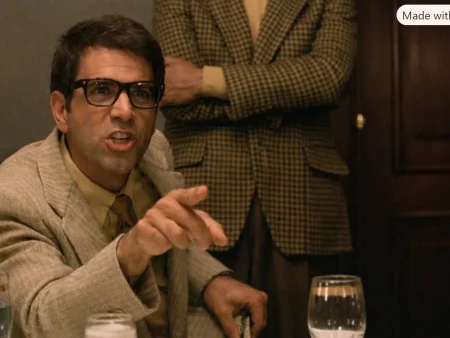
This is the story of illegal gambling in Birmingham between the wars (1920-1930), told through the eyes of George, a ten‑year‑old bookie’s runner. In a city scarred by poverty, Birmingham street kids became the lifeblood of Birmingham criminal gangs, darting through alleys and canals to keep bets flowing.

Illegal Gambling in Birmingham: George’s Story
They call me scruffy, but I don’t mind. Everyone in post‑war Birmingham looks a bit worn down, like the city’s been rubbed too hard with sandpaper. I’m George, ten years old, and I run bets for one of the biggest illegal gambling syndicates in Birmingham. Folks think kids like me don’t matter, but we’re the ones who keep the whole thing moving.
Life between the wars wasn’t kind to families like mine. Dad came back from France with lungs full of mustard gas and no job to go to. Mom scrubbed floors until her hands cracked. We lived in a cramped terrace house where the wallpaper peeled like old scabs. Most nights, dinner was bread dipped in weak broth. That’s how it was for most poor families, too many mouths, too little money, and no hope the next day would be any better.
Street gangs flourished in places like ours. When men can’t earn honest money, they find dishonest ways. Illegal gambling in Birmingham was everywhere: street corners, back rooms, canal towpaths, even the factories during lunch breaks. But it was risky, and the police were always sniffing around. That’s where boys like me came in.
I didn’t choose the life of a bookie’s runner. It chose me. One day, a man named Tommy “Two Fists” caught me nicking apples from a stall in Gas Street. Instead of giving me a hiding, he asked if I wanted real work. “You’re quick,” he said. “And the coppers don’t look twice at a kid.” That’s how most Birmingham street kids got recruited as bookie’s runners: speed, desperation, and the fact we were invisible to grown‑ups unless we caused trouble.
My job as one of Birmingham’s bookie’s runners was simple: carry bets from punters to the bookmaker, then carry winnings back. But simple didn’t mean safe. I’d sprint through the maze of Birmingham’s backstreets, dodging trams, weaving through market crowds, and slipping down alleys so narrow you could touch both walls with your elbows. The canal network was our secret weapon. Towpaths let us move across the city unseen, and if the police came close, we’d hop onto a barge or hide under the bridges where the water echoed like a cave.
Illegal gambling syndicates in Birmingham used dozens of kids like me, maybe a hundred across the city during the 1920s. We were cheap, fast, and loyal because loyalty meant food on the table. Some bookie’s runners were younger than me, barely seven, carrying coins in their socks or messages tucked under their caps. The police hated it. They’d catch a grown bookmaker now and then, but the real business flowed through us, and we were slippery as eels.
I remember the day I got arrested. It was cold enough to freeze spit. I was running a handful of bets for one of the illegal gambling syndicates in Birmingham, near Digbeth, when two constables cornered me. One grabbed my collar so hard it felt like my neck would snap. “What’s this then?” he said, pulling the betting slips from my pocket.
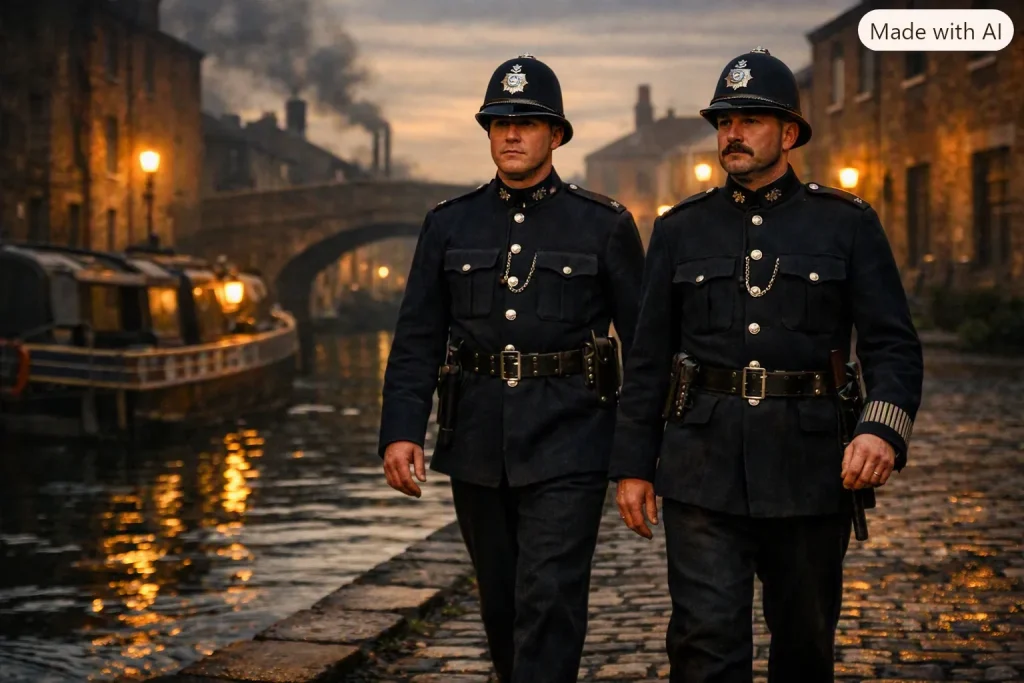
I tried to play dumb. “Just paper, sir. For school.” He snorted. “You don’t look like you’ve seen a school in months.”
They dragged me to the station. I’d heard stories about bookie’s runners being locked up, beaten, scared straight. But mostly, the police didn’t know what to do with us. We weren’t hardened criminals. We were hungry children doing what we had to. They questioned me for an hour, asking who I worked for, where the bets came from, who the bookmaker was. I kept my mouth shut. Not because I was brave, but because I knew if I talked, the gang would make sure I never talked again.
In the end, they cautioned me and let me go. “Tell your friends we’re watching,” one constable said. But they weren’t watching close enough. By the next morning, I was back on the canals, running bets like nothing had happened.
The police tried everything to stop illegal gambling in Birmingham. They sent plain‑clothes officers into pubs, raided factories, patrolled markets, even used bicycles to chase runners. But Birmingham’s criminal gangs had countermeasures. Lookouts on rooftops. Women selling flowers who’d whistle when police approached. Bookmakers who changed locations every hour. And us, street kids who could vanish into the city like smoke.
I didn’t think much about the danger. When you’re ten, danger feels like a game. But looking back, I see how the gangs used us. We were tools, small, fast, and expendable. Still, the work gave me something I didn’t have before – purpose. I wasn’t just a poor kid anymore. I was part of something bigger, something that made the city hum beneath the law’s nose.
Some nights, I’d sit by the canal and watch the barges drift by, their lanterns glowing like fireflies. I’d think about what life might be like if I weren’t a bookie’s runner. Maybe school. Maybe a real job. But then I’d hear Tommy calling my name, and I’d be off again, feet pounding the towpath, heart racing with the thrill of it all.
That was post-war Birmingham, hard, hungry, and full of shadows. And I was one of those shadows, a scruffy boy carrying the city’s secrets in my pockets.
Conclusion
George’s story reflects a hidden world where poverty pushed children into the arms of Birmingham’s criminal gangs. As bookie’s runners, they kept illegal gambling in Birmingham alive despite police efforts. Their speed, invisibility, and desperation made them essential and unforgettable figures in post‑war Birmingham.
Frequently Asked Questions
❓ What is a bookie’s runner? A child or youth who carried bets and winnings between illegal bookmakers and gamblers.
❓ Why were Birmingham street kids used by gangs? They were fast, unnoticed, and desperate for money.
❓ How common was illegal gambling in Birmingham? Widespread among working‑class communities between the wars.
❓ How did police fight illegal gambling? Raids, undercover officers, patrols, and surveillance of known bookmakers.
❓ Why were children hard to catch? They used canals, alleys, and constant movement to evade police.