


Dark
Light
The story of casinos in Moscow Russia is one of the most fascinating chapters in modern Russian nightlife. Beginning around 1992, Moscow casinos rapidly transformed the capital’s entertainment scene, attracting wealthy businessmen, celebrities and international visitors. This guide explores historic casinos in Moscow, including Metelitsa, Gabriela, Beverly Hills, Golden Palace and Metropol, before the city’s casino industry disappeared in 2009.
The Rise of Moscow Casinos After the Soviet Union
To understand the history of casinos in Moscow, it is necessary to take a look at the collapse of the Soviet Union and the dramatic changes that followed. Gambling had previously been heavily restricted, but the emergence of a market economy created an environment in which casinos, nightclubs, and luxury entertainment venues could develop rapidly.
By the early 1990s, casinos in Moscow in the 1990s had become a visible part of the city’s nightlife. Contemporary Kommersant reporting shows that Casino Gabriela was already celebrating an anniversary in January 1993, while other reports from the same period describe Royal, Gabriela and the riverboat casino Alexander Blok among Moscow’s active gambling venues.
Russia Beyond later described this period as a time when casinos appeared rapidly across the capital, attracting people with money and influence.
The result was a distinctive form of Moscow casino culture, combining gambling with restaurants, live music, fashion shows, celebrity appearances and late-night entertainment.
Metelitsa Casino Moscow – The Most Famous Historic Moscow Casino
For many people researching famous casinos in Moscow, Metelitsa remains the defining name of the city’s casino era.

Located on New Arbat Street, Metelitsa opened in June 1993. The establishment incorporated Cherry Casino and gradually developed from a relatively modest gambling venue into one of the capital’s most glamorous entertainment destinations. Contemporary reporting confirms the opening of Cherry Casino at the former Metelitsa café, while Russia Beyond described it as becoming Moscow’s most iconic gambling and entertainment establishment.
Metelitsa’s importance extended beyond gambling. Its stage became a sought-after destination for Russian pop performers, with hundreds of guests reportedly attending on busy evenings. The casino therefore became part of Moscow’s wider celebrity and nightlife culture.
For anyone investigating legendary Moscow casinos, Metelitsa Casino Moscow is arguably the essential starting point.
Beverly Hills Casino Moscow – The Chuck Norris Connection
Among the more unusual stories in Russian casino history is that of the Beverly Hills Casino.

The venue occupied one of Moscow’s famous Stalin skyscrapers. The building had previously housed the Firebird casino, which opened in 1993, before being replaced by Beverly Hills in 1996.
Its opening attracted international attention. Russia Beyond reports that Donald Trump, Las Vegas mayor Jan Laverty Jones, and actor Chuck Norris attended the launch. Most importantly, the publication reports that Norris reportedly owned a 50% share in the casino.

The story makes Beverly Hills one of the most memorable historic casinos in Moscow, particularly for readers interested in the intersection of Hollywood, American casino culture, and post-Soviet Moscow.
Golden Palace Casino Moscow – Big Wins and High Rollers
The Golden Palace Casino Moscow opened in 1994 near Belorussky Railway Station and quickly became one of the capital’s prominent gambling destinations.

It attracted both gamblers and entertainers, following the model established by venues such as Metelitsa. In 1996, a player reportedly won $240,000, which Russia Beyond recorded as a Moscow record at the time.
Golden Palace also illustrates the turbulent side of Moscow gambling history. The casino experienced serious controversy and regulatory difficulties before eventually closing permanently in June 2009.
Its story is therefore important when examining casinos in Moscow in the 1990s and 2000s, particularly the relationship between high-stakes gambling, entertainment and regulation.
Shangri-La Casino Moscow – An Elite Gambling Club
Shangri-La Casino Moscow represented the increasingly exclusive end of the city’s gambling market.

The casino opened in 1999 and was associated with Storm International, founded by British businessman Michael Boettcher. According to Russia Beyond, Shangri-La charged an extraordinary $200 admission fee, helping establish its reputation as an elite venue.
This makes Shangri-La particularly relevant to searches such as luxury casinos Moscow, high roller casinos Moscow history, and famous casinos in Moscow Russia.
Its history also demonstrates how Moscow’s casino industry had evolved from relatively new post-Soviet gambling establishments into highly exclusive entertainment businesses targeting wealthy customers.
Crystal Casino Moscow – One of Eastern Europe’s Largest
Crystal Casino Moscow opened in 1997 and was described by Russia Beyond as the largest gambling venue in Eastern Europe at the time.

Its scale reflected the enormous expansion of Moscow casinos during the second half of the 1990s. Crystal attracted different categories of gamblers, from professional players to high rollers wagering substantial amounts.
The casino subsequently attracted the attention of law enforcement and was temporarily closed in 2006 before finally disappearing in 2009.
For researchers interested in Russian casinos in the 1990s, Crystal provides an important example of how large and sophisticated the Moscow gambling industry had become.
Imperial Casino Moscow – Themed Entertainment
The Imperial Casino Moscow opened in 2001 and introduced another dimension to the city’s casino industry.

Operated by an American company, Imperial reportedly charged men a $50 admission fee while women entered free. Its signature entertainment was known as “Imperial Evenings”, combining casino nightlife with elaborate themed performances.
Imperial Casino demonstrates how casino entertainment in Moscow increasingly extended beyond gaming tables. The most successful establishments competed through atmosphere, shows, restaurants, and celebrity-oriented nightlife.
It is an important part of the history of gambling in Moscow during the industry’s final decade.
Cosmos Casino Moscow – The Hotel Casino
The Cosmos Casino Moscow, sometimes rendered as Kosmoss, occupied the first floor of the famous Cosmos Hotel near VDNKh.

Unlike standalone gambling venues, Cosmos demonstrates the importance of hotels within the development of Moscow casino culture. International-style hotels provided an obvious setting for casinos aimed at tourists, business visitors and wealthy Russian customers.
Russia Beyond notes that the casino attracted repeated attention from law enforcement over allegations including money laundering, meetings involving criminal figures and licensing issues.
Today, Cosmos is remembered as part of the broader story of historic casinos in Moscow rather than as a current gambling destination.
Crown Casino Moscow – Poker on New Arbat
The Crown Casino Moscow was another New Arbat venue, close to the legendary Metelitsa.

Crown incorporated both a poker club and conventional gambling facilities. Russia Beyond describes it as a comparatively more democratic venue than some of Moscow’s extremely expensive casino clubs.
Its story provides useful context for anyone searching for where the casinos in Moscow were or investigating casinos on New Arbat.
New Arbat became particularly important in the city’s casino history because several major gambling and entertainment establishments operated there.
Metropol Casino Moscow – Gambling Near Red Square
The Metropol Casino Moscow occupied a prestigious location inside the historic Metropol Hotel in central Moscow.

Russia Beyond describes it as the casino closest to Red Square and notes that the venue cultivated an exclusive VIP clientele. In 2006, the casino reportedly raffled 20 kilograms of gold among VIP guests. Later, one customer won a $2 million jackpot, surpassing the Golden Palace record.
The Metropol therefore represents the luxury end of Moscow casino history, combining a famous historic hotel with high-stakes gambling.
For searches around luxury casinos in Moscow, Russia, Metropol Casino Moscow is one of the most significant historical examples.
Jazz Town Casino Moscow – Gambling Meets Music
Jazz Town Casino Moscow, sometimes referred to simply as Jazz Casino, opened in 2004 and was another establishment associated with Storm International.

Its ambition was distinctive: rather than being known only for gambling, Jazz Town sought to establish itself as an important jazz entertainment venue in Moscow. It illustrates the increasingly sophisticated relationship between Moscow casinos and nightlife during the final years of the city’s casino industry.
The casino closed in 2009 when Moscow’s gambling establishments were forced to shut.
More Casinos in Moscow, Russia
Casino Gabriela – A Pioneer of Russian Casino History
Although it falls outside the ten venues profiled above, Casino Gabriela deserves a separate mention because of its importance to the growth of casinos in Moscow, Russia.

A Kommersant report from February 1993 described Gabriela celebrating its first anniversary and identified Alex Grim as its president and founder. The report even described Grim as claiming to have founded the gambling business in Russia.
Casino Gabriela was one of the first casinos in Moscow and is therefore essential for understanding Moscow casino history in the early 1990s and the emergence of professional casino gambling during the Soviet period.
Contemporary Kommersant reporting from July 1993 also mentioned Gabriela alongside the Royal casino and the Alexander Blok riverboat casino, illustrating how quickly Moscow’s gambling landscape had expanded.
Alexander Blok Casino Moscow – The Floating Casino
Another fascinating chapter in Moscow gambling history was the Alexander Blok Casino, which operated aboard a riverboat.

A July 1993 Kommersant nightlife report describes the casino on the Alexander Blok vessel, confirming that it was already operating during this formative period.
The floating casino is one of the best examples of the creativity and variety of Moscow casinos in the 1990s. Unlike a conventional hotel casino, it turned the Moscow River itself into part of the gambling experience.
What Happened to the Casinos in Moscow?
The story of what happened to casinos in Moscow has a clear endpoint: 2009.
Russia’s gambling legislation introduced a system under which legal casino gambling was concentrated in specially designated gambling zones. Moscow was not one of those zones.
As a result, the historic casinos that had defined the capital’s nightlife were forced to close. Russia Beyond describes the final closure of the Moscow casino era in June 2009.
This means that searches for casinos in Moscow today need to be distinguished from searches for historic casinos in Moscow. Metelitsa, Beverly Hills, Golden Palace, Shangri-La, Crystal, Empire, Cosmos, Crown, Metropol, Gabriela, and Alexander Blok belong to the history of Moscow gambling rather than representing current casino options.
Why Moscow Casino History Still Matters
The significance of these historic Moscow casinos goes beyond gambling.
The casinos reflected the enormous social and economic changes taking place in Russia after the collapse of the Soviet Union. They introduced international gaming styles, luxury hospitality, celebrity entertainment, and high-roller culture to a rapidly changing capital.
Metelitsa became associated with pop music. Beverly Hills attracted Hollywood connections. Golden Palace became famous for a major jackpot. Shangri-La targeted an elite clientele. Crystal emphasised scale, while Cosmos connected casino gambling with international hotel culture.
Together, these venues form an unusually vivid chapter of Russian casino history.
Frequently Asked Questions About Casinos in Moscow, Russia
Are there casinos in Moscow today?
The casinos discussed in this article are historical venues. The conventional Moscow casino industry ended in 2009, following changes to Russia’s gambling legislation. Consequently, readers searching “are there casinos in Moscow?” should distinguish between the city’s former casinos and legal casino activity in Russia’s designated gambling zones.
What were the most famous casinos in Moscow?
Among the best-known casinos in Moscow were Metelitsa, Beverly Hills, Golden Palace, Shangri-La, Crystal, Empire, Cosmos, Crown and Metropol. Casino Gabriela and the Alexander Blok riverboat are also particularly important to the early history of Moscow gambling. Russia Beyond’s historical survey provides detailed profiles of ten major establishments.
When did casinos become popular in Moscow?
The major expansion began around the end of the Soviet period and accelerated during the early 1990s. By 1993, contemporary reporting was already covering several Moscow casinos, including Gabriela, Royal and Alexander Blok.
What was the most famous casino in Moscow?
Metelitsa is arguably the most famous historical Moscow casino. Russia Beyond describes it as becoming the city’s most iconic gambling and entertainment establishment after opening in 1993. Its New Arbat location, celebrity performances and large clientele made it particularly influential.
Was Chuck Norris really part-owner of Beverly Hills Casino Moscow?
Russia Beyond reports that Chuck Norris reportedly owned a 50% share in Beverly Hills and attended its 1996 opening alongside Donald Trump and Las Vegas mayor Jan Laverty Jones. Because the source characterises the ownership as reported, it is preferable to describe Norris as a reported part-owner, rather than presenting the claim as independently established fact.
What happened to Metelitsa Casino?
Metelitsa eventually closed as part of the nationwide changes to Russian gambling regulation. Its closure in 2009 marked the end of one of the most recognisable establishments in Moscow’s casino era. Russia Beyond notes that people gathered outside after its closure to photograph the former casino.
Where were the casinos in Moscow?
Historic casinos were spread across several important parts of the capital. New Arbat was particularly associated with Metelitsa and Crown, while Metropol operated near Red Square and Cosmos operated inside the Cosmos Hotel near VDNKh. Other venues were located around central Moscow and major transport and hotel districts.
What games did Moscow casinos offer?
Historical Moscow casinos offered traditional table games including roulette and blackjack, alongside gaming machines and, at some venues, poker. The opening report for Cherry Casino in 1993, for example, describes roulette, blackjack and gaming machines.
Why did Moscow casinos close?
The principal reason was the restructuring of Russian gambling regulation. Legal casino gambling was restricted to designated gambling zones, bringing the conventional Moscow casino era to an end in 2009.
Is Moscow’s casino history worth researching?
Absolutely. Moscow casino history provides a fascinating perspective on the transformation of Russian society during the 1990s and 2000s. The casinos were not simply gambling venues: they became meeting places for celebrities, entrepreneurs, wealthy gamblers, and international visitors, while their architecture, entertainment, and nightlife reflected the dramatic cultural changes of the period.
Conclusion
The history of casinos in Moscow, Russia, is a remarkable story of ambition, wealth, entertainment, and rapid social change. From Casino Gabriela and the floating Alexander Blok Casino Moscow in the early 1990s to Metelitsa, Beverly Hills, Golden Palace, Shangri-La, Crystal, Empire, Cosmos, Crown and Metropol, Moscow developed a distinctive casino culture.
Although these historic casinos in Moscow disappeared in 2009, their stories remain an important part of Russian casino history. Today, they are best understood not as current gambling destinations, but as landmarks of Moscow’s extraordinary post-Soviet entertainment history.
Reference List:
- Government of Moscow. (2009). О мерах по реализации Федерального закона от 29 декабря 2006 года N 244-ФЗ… [On measures to implement Federal Law No. 244-FZ]. Moscow Government gambling regulation document
- Government of Moscow. (2009). О выполнении требований законодательства по организации и проведению азартных игр и лотерей в городе Москве [On compliance with legislation governing gambling and lotteries in Moscow]. Government document on the closure of Moscow gambling establishments
- Kommersant. (1993, February 2). Годовщина казино “Габриэла” [Anniversary of the Gabriela casino]. Kommersant: Gabriela casino anniversary
- Kommersant. (1993, June 5). Открытие ночного клуба “Метелица” [Opening of the Metelitsa nightclub]. Kommersant: Metelitsa / Cherry Casino opening
- Kommersant. (2008, June 25). Удачная селекция [Successful selection]. Kommersant: history of Metelitsa and Moscow casino professionals
- Kommersant. (2008). Космическая рулетка [Cosmic roulette]. Kommersant: history of Gabriella and Moscow casinos
- Shevchenko, N. (2020, November 6). 10 casinos that RULED Moscow. Russia Beyond. Russia Beyond — 10 casinos that RULED Moscow
- O’Flynn, K. (2009, June 30). Luck runs out for Russian casinos, gaming halls. Radio Free Europe/Radio Liberty. Radio Free Europe/Radio Liberty: Moscow casinos close in 2009
- Pan, P. P. (2009, July 1). Russia shuts down thousands of casinos. The Washington Post. The Washington Post: Russian casino closures
- Harding, L. (2009, June 30). Game over for Russia’s punters as gambling ban closes casinos. The Guardian. The Guardian: Russian gambling ban


Sign Up for Our Newsletters
Be the first to know when new content is created.Related Posts

A Brief History of the Rainbow Casino Birmingham
The Rainbow Casino Birmingham, originally owned by the Morrell family and later operated by Double Diamond Gaming Ltd, has long been a fixture of the city’s nightlife. Known for its welcoming atmosphere and modern gaming facilities, it continues to represent Birmingham’s independent casino heritage and entertainment culture.

The Golden Age of Las Vegas: Casinos, Mobsters and the Rat Pack
The golden age of Las Vegas transformed a Nevada desert city into an internationally recognised gambling and entertainment destination. From the first Strip resorts of the 1940s to the glamorous casinos, organised crime connections and Rat Pack performances of the 1960s, this remarkable period established the foundations of modern Las Vegas.

The History of Almack’s Bridge & Gaming Rooms
Almack’s Bridge & Gaming Rooms occupies a curious place in London’s gambling history: a refined private club that quietly hosted high‑stakes play long before casinos were legal. Its story blends aristocratic ambition, social rivalry, and the shifting legality of gaming in the 19th and early 20th centuries.
A Brief History of the Kray Twins Casino: Esmeralda’s Barn
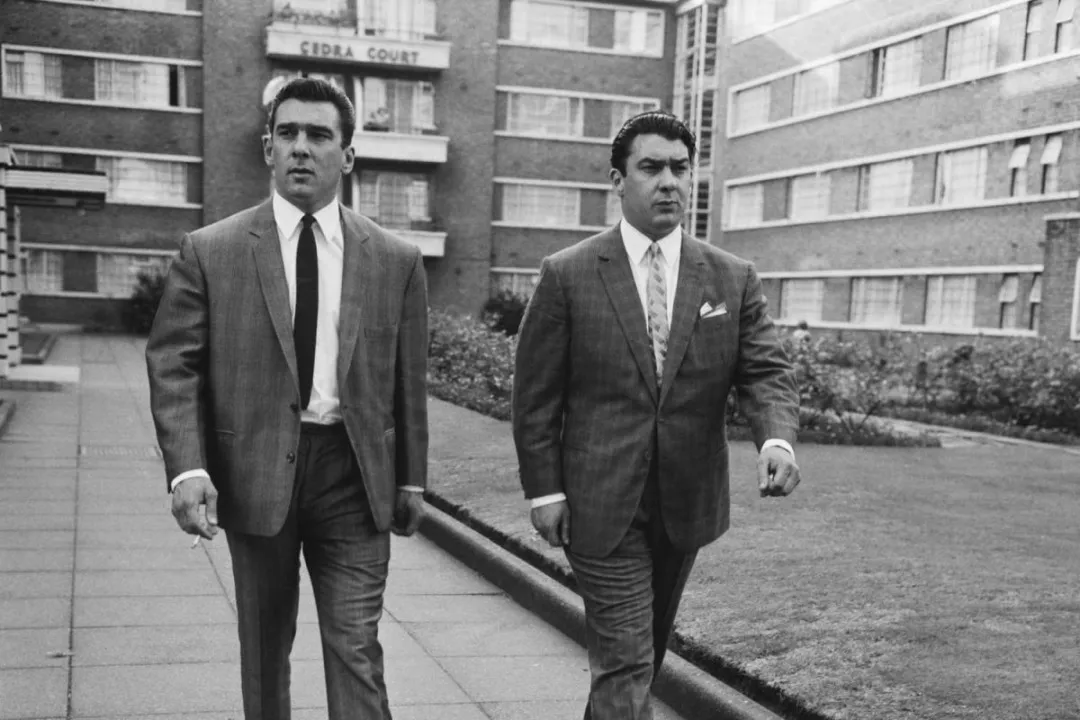
The Kray twins, Reggie and Ronnie, are infamous figures in British history, particularly in the criminal underworld of London during the 1950s and 1960s. One of their many ventures was the ownership and operation of Esmeralda’s Barn, the Kray Twins' casino located in Knightsbridge, London. This establishment, steeped in notoriety, holds a significant place in the lore surrounding the Krays and their reign over the London crime scene.
